The Torus as a symbol
Familiar images of a Torus
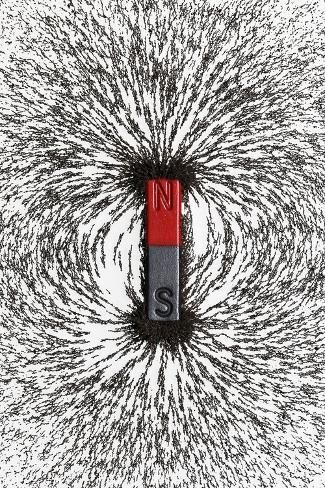
A standard bar magnet provides our basic introduction to magnetic fields. Iron filings naturally orient themselves parallel to, and inside, the discrete flux tubes that outflow from the North pole and inflow back into the South pole of the magnet.
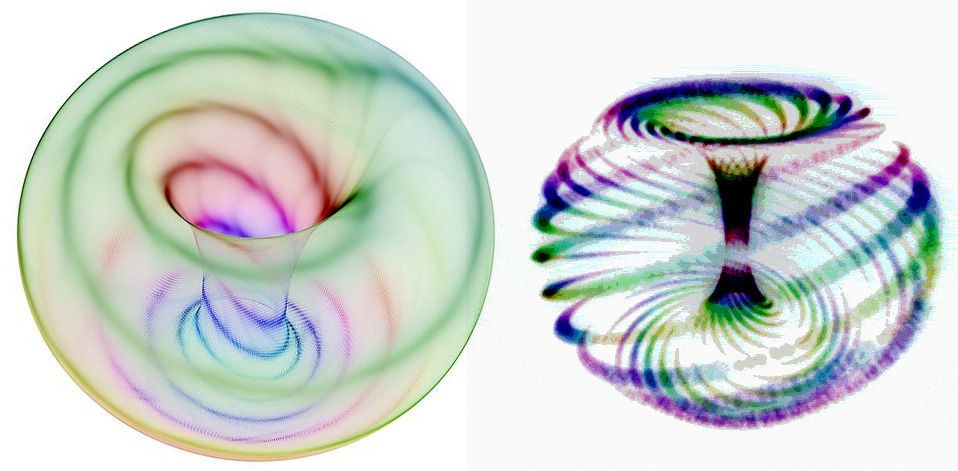
We first learned to conceptualize a general "field," later advanced to mapping "flux lines," and now recognize the actual physical "flux tubes" that confine and direct flowing magnetic energy.
While this continuous ring-doughnut shape is widely recognized in contemporary physics, it completely omits the horizontal plane flows, which is the most important topic in ancient symbolism. To introduce horizontal plane outflows, the sun is an excellent teaching tool.
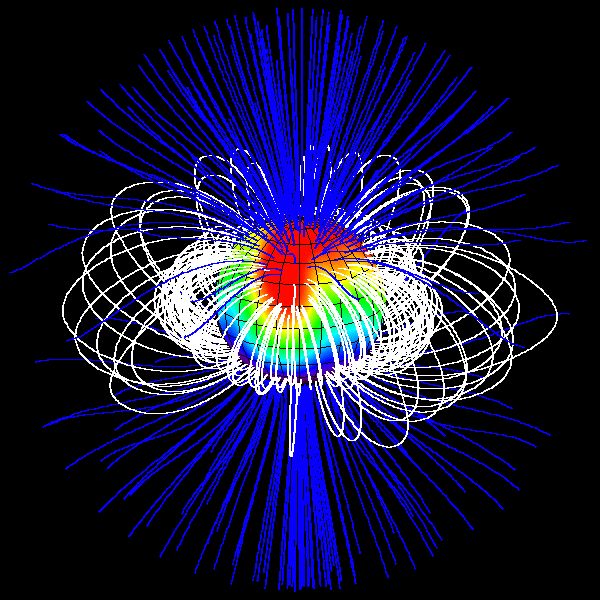
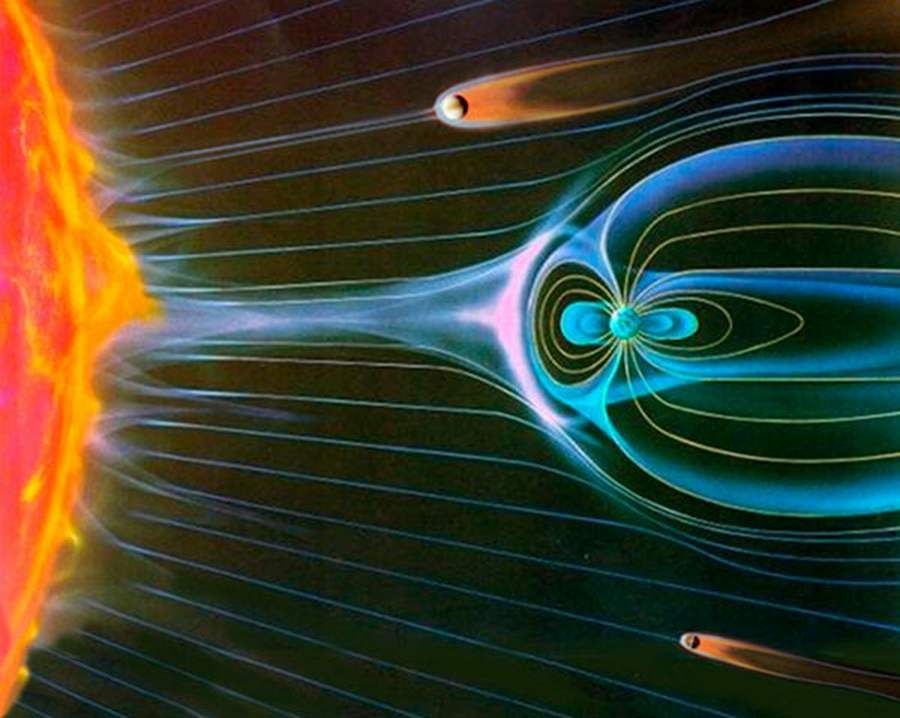
Planet Earth is enveloped by its own magnetosphere—a massive planetary magnetic torus—which undergoes constant structural compression by the solar wind.
Computer simulations of an undisturbed, non-pushed magnetosphere reveal its ideal symmetry. Satellite magnetometers explicitly record these boundaries when entering and traversing individual flux tubes, proving their physical reality.
While these tubes dilate to large diameters when in deep space, they compress into incredibly narrow, high-density configurations as they converge at the planetary surface.
The sun as a Torus
The Sun generates a massive, macro-scale magnetosphere known as the heliosphere. We examine solar dynamics because the Sun possesses not only a vertical axis of North polar outflow and a South polar inflow—but also a complex network of horizontal plane flux tubes. Remarkably, these equatorial tube outflows rotate at a velocity significantly faster than the physical body of the Sun itself.

Approximately every eight minutes, a discrete magnetic flux tube originating near the solar equator sweeps across Planet Earth. Officially classified in space physics as a "Flux Transfer Event" (FTE), this phenomenon reveals that the Sun maintains an active matrix of between 2,000 and 4,000 of these rotating flux tubes extending outward from its horizontal plane. This measurable, empirical data is entirely real and easily verified through peer-reviewed space science literature.
Think of the sun as a torus model. Don't worship the literal sun.
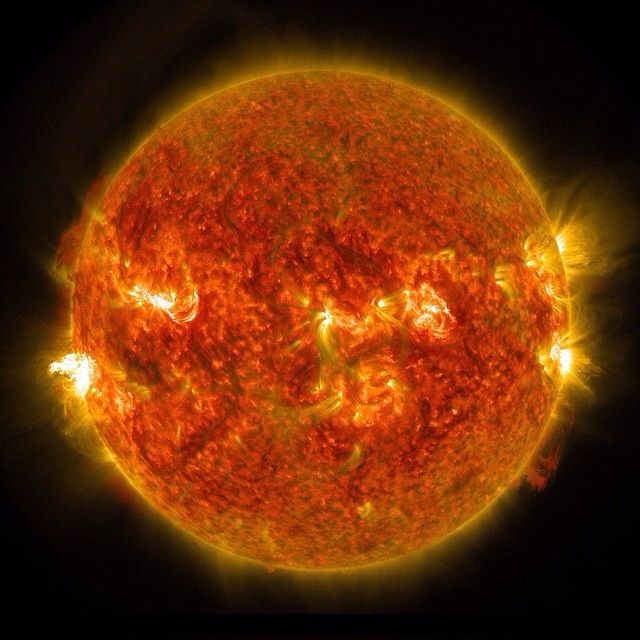
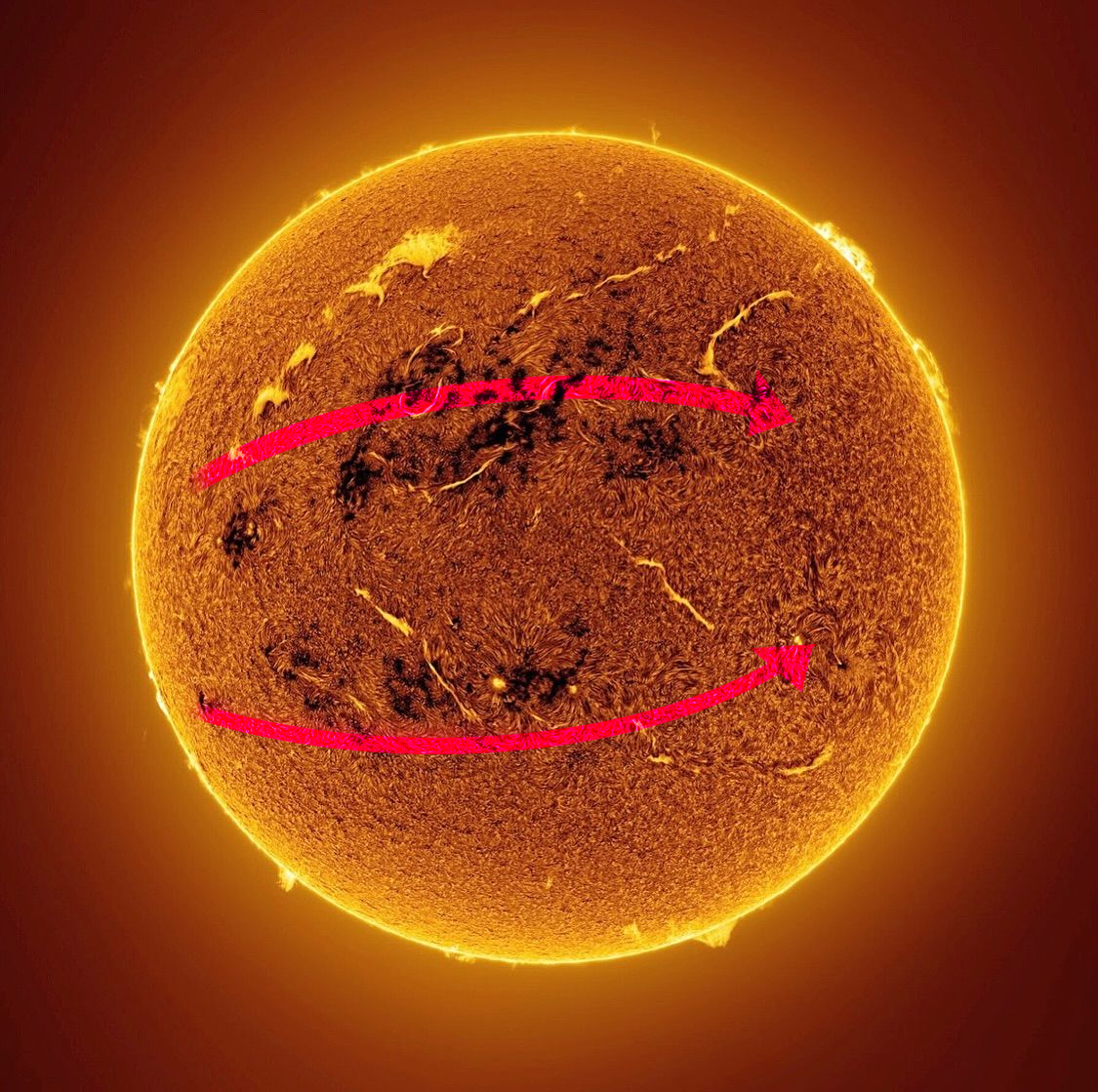
Sunspots manifest specifically near the solar equator, aligning along the Sun's horizontal plane. The geographical zone where these anomalies emerge migrates continuously in the direction of the rotational vectors, with subsequent nodes forming near at the arrowheads.
Crucially, this localized zone of emergence rotates faster than the underlying bulk mass of the Sun. While the flux tubes responsible for Flux Transfer Events also maintain an independent rotation, they calculate out to a completely different velocity than the cycle of sunspot emergences.
The solar torus governs a diverse array of rotating, energetic outflows driven entirely from its equatorial horizontal plane.
Vortex infatuation
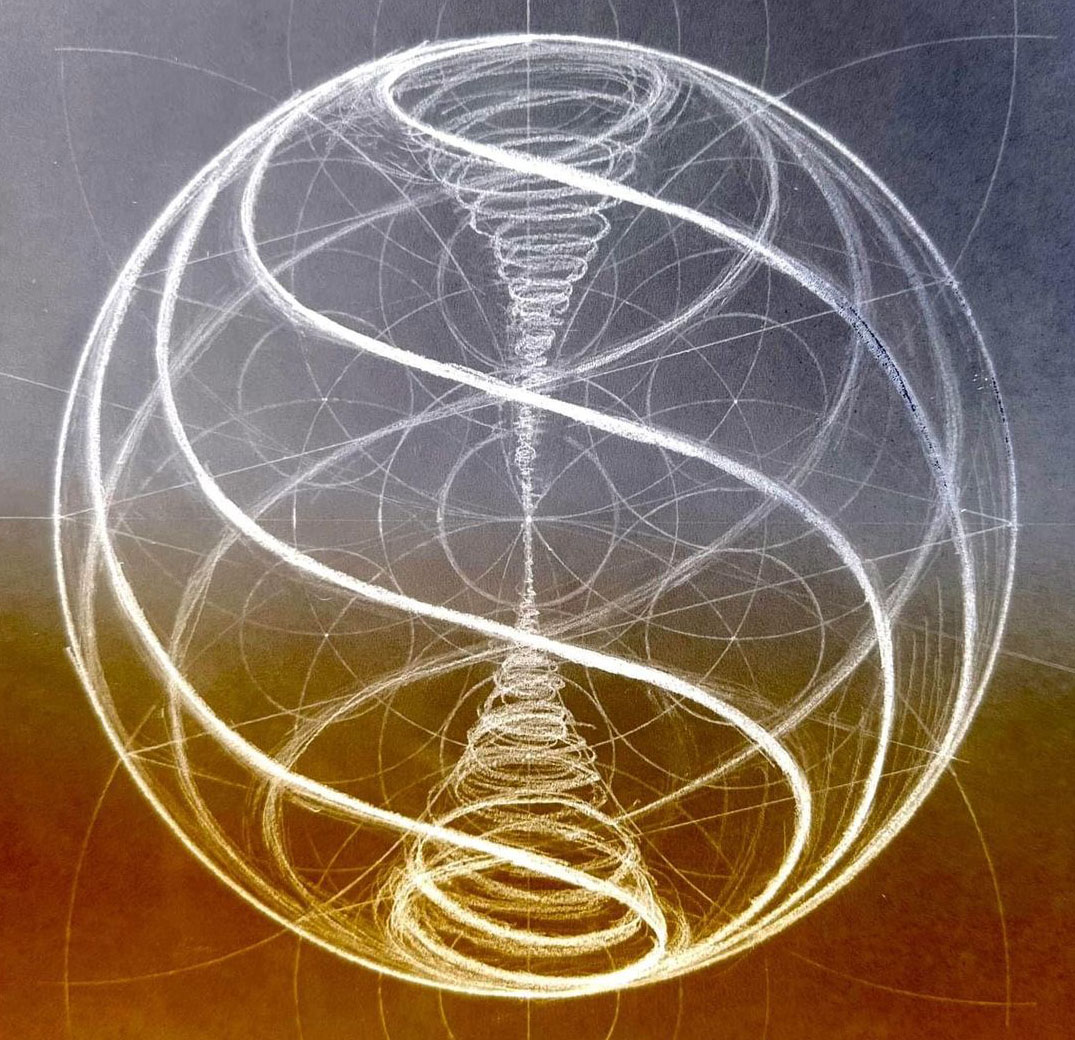
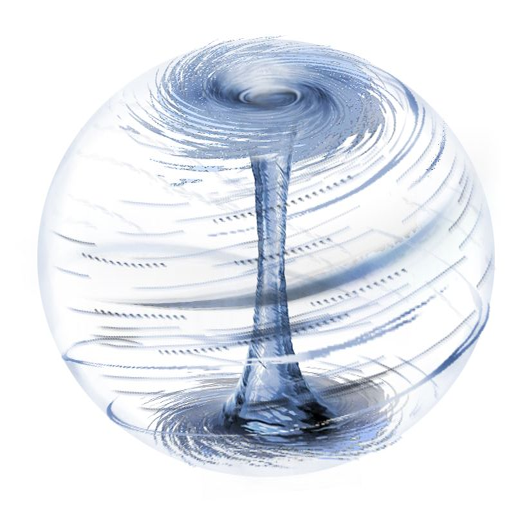
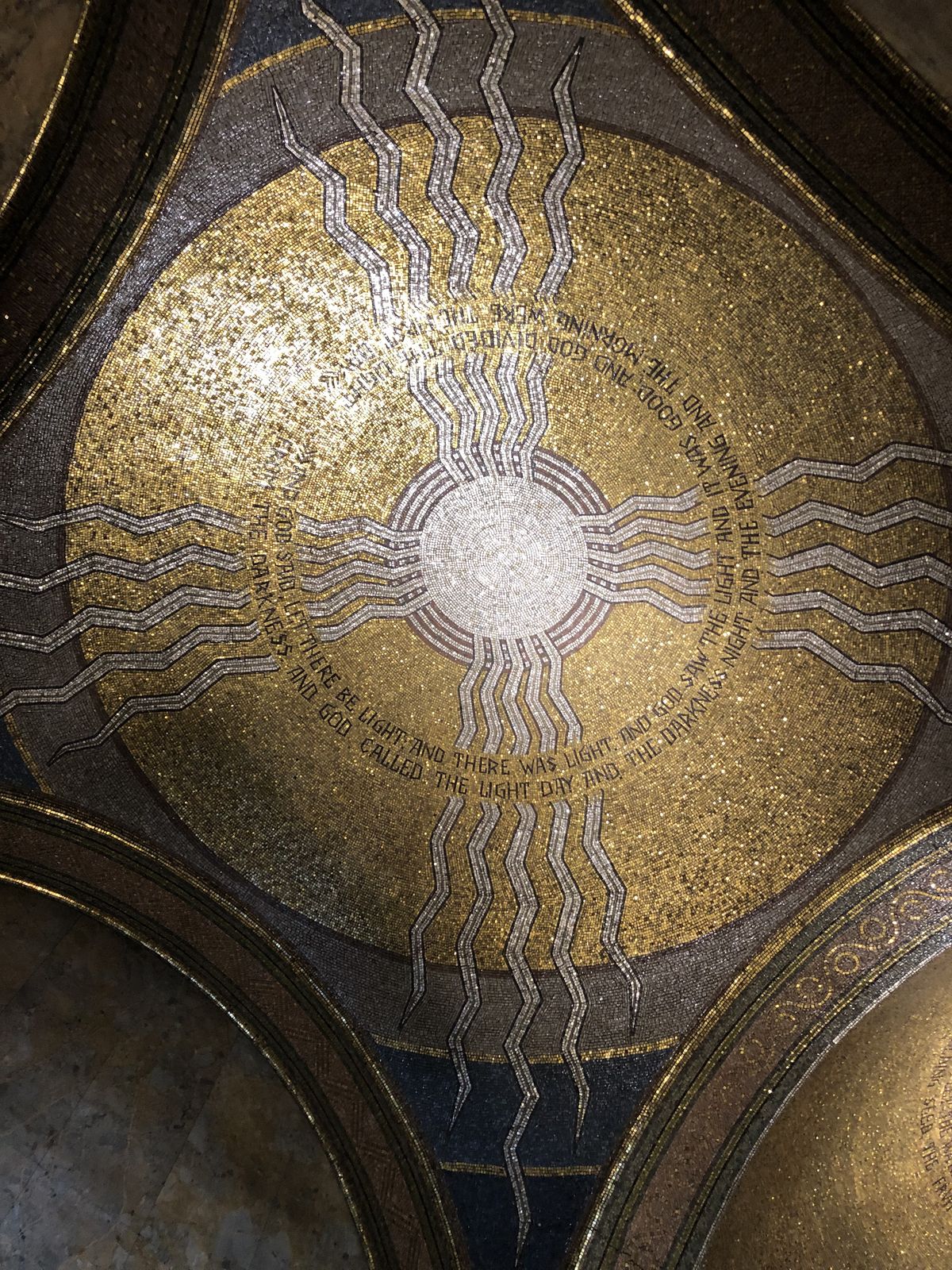
Modern diagrams of a torus tend to only show symmetrical lower and upper vortices, which is misleading.
While vortex flows are undeniably real and critical to the system, they are not simple mirror images of each other. Outflows are initially straighter and more densely packed with flux tubes.
Conversely, the southern inflows at the base also carry flux debris to be recycled. The inflowing spiraling deflating flux tubes diminish in size as they approach the center core.
Spiraling is aided by the deflating, and inward motion at the south toward the core is a consequence of high pressure seeking to move toward low pressure.
The core of the torus on the south side of the horizontal plane hosts that low pressure sink.
A granular explanation of this mechanism is found in the Dimensions chapter. In brief, however, the energy is transitioning into a co-located higher-density dimension that standard instruments cannot detect. Mainstream science frequently labels this sink as the "quantum vacuum", and it's mechanics are rapidly emerging into modern physics discussions.
Indeed, it is now standard academic practice to discuss "virtual photons" and "virtual particles" that spontaneously manifest into existence and then subsequently vanish. The concept of disappearing energy structures is no longer an institutional taboo.
Conventional historical terms like negentropy and implosion fail to explain the pressure mechanics causing a flux inflow to spiral inward.
KEYWORD DEFINITIONS: Flux tube, High Density, Dimension,
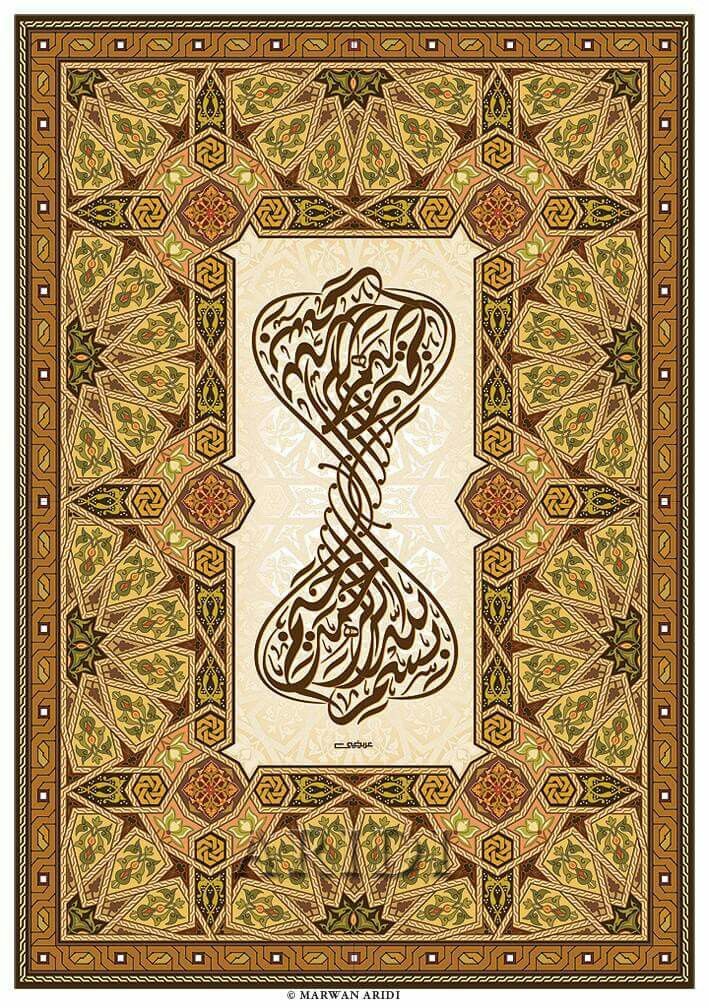
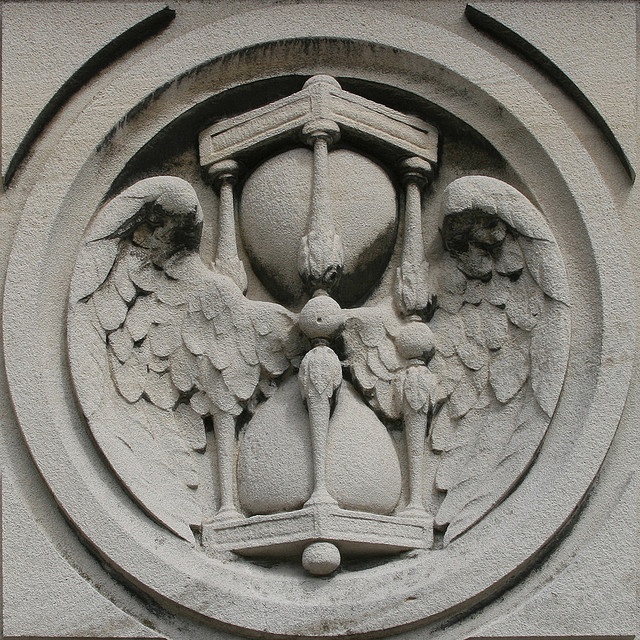
- It may seem like a tombstone meaning that time ran out, but it has another meaning. The center of the hourglass is marked as a portal by the wings, so it's a portal to a higher density dimension, like heaven.

- It is rotating. Objects held in a hand can be portal symbols.
In symbolism, symbols of these two vortices include the hourglass and these drums, which are depicted as rotating.
Hover over an image to read more details about it.
Round torus in symbolism
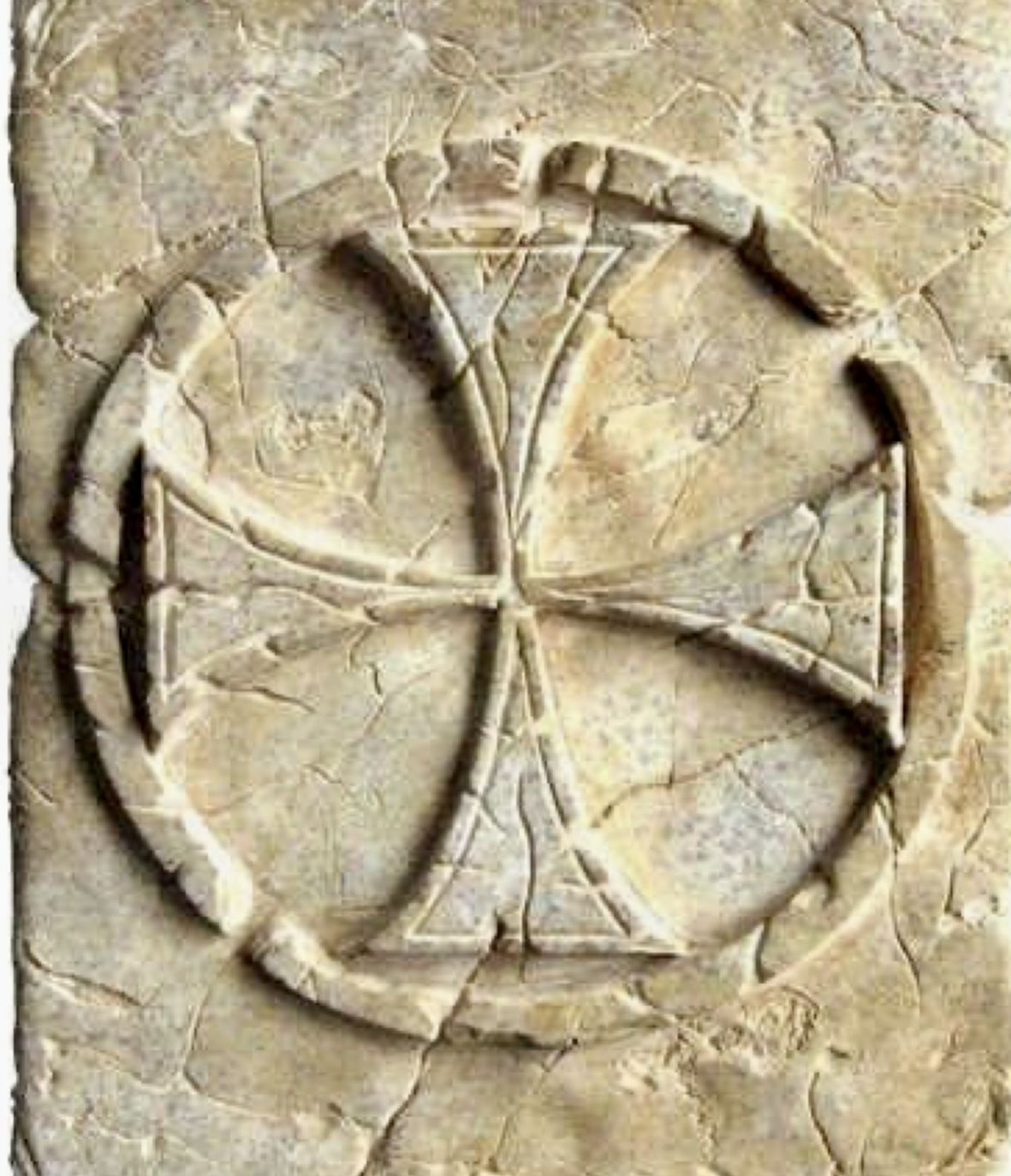
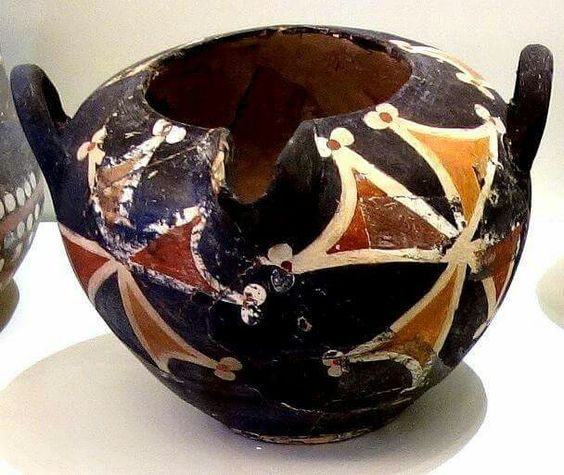
In symbolism, nearly every round circular shape represents a torus. On a classic Templar cross, it has an outer circle barrier and a vertical flow path and a horizontal flow path.
This structural diagram has been utilized since the earliest civilizations, exemplified by this Minoan artifact dating back to 1900-1700 BCE.
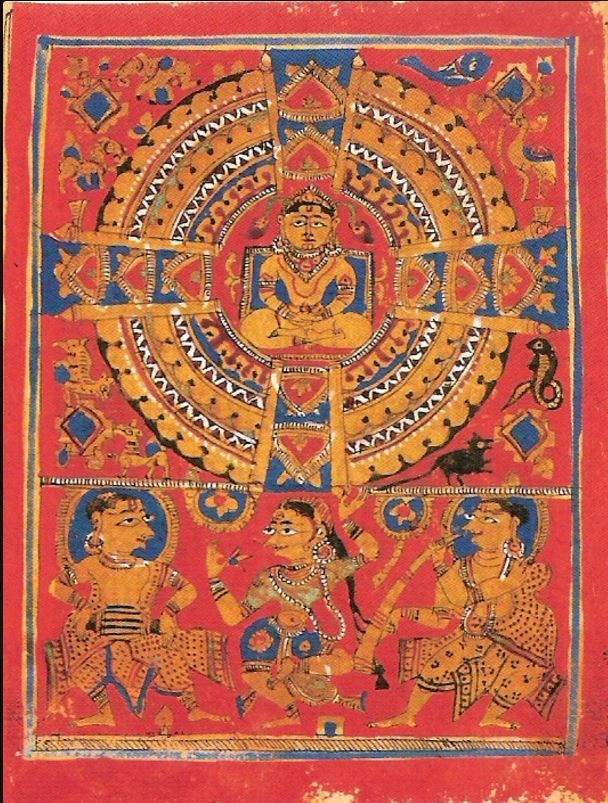
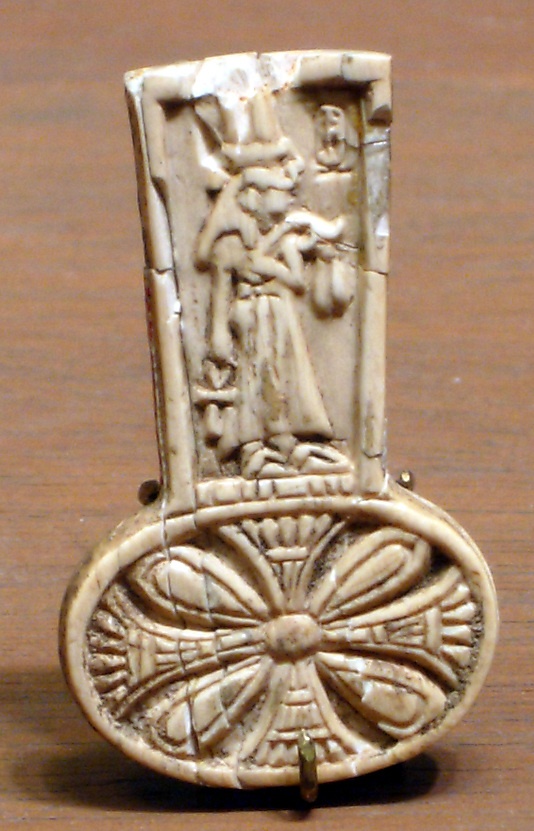

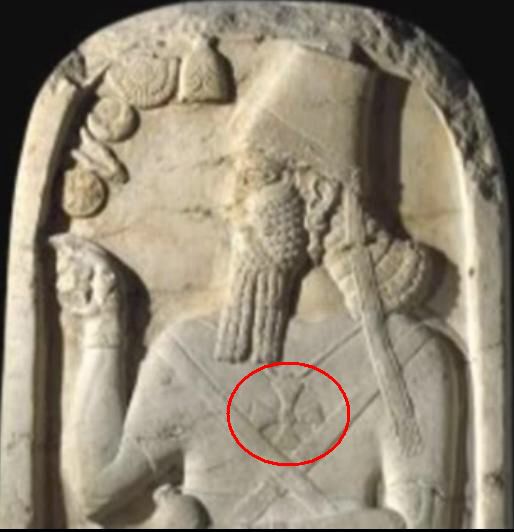
These horizontal and vertical flow paths of magnetic energy flux moving in and out, crossing through the core, are also in Tibet, Egypt, Mesoamerica, and Sumeria. You can examine hundreds of these examples in this cross collection on Pinterest; the sheer consistency of the physical evidence is undeniable.
While the vertical South-to-North magnetic polar flow is easily measured, the horizontal plane flux remains far more elusive and difficult to detect. These distinct kinds of energy flux—and potentially others—possess fundamentally different physical attributes, allowing them to operate without substantially interfering with one another.
This distinction is a vital lesson in deciphering ancient symbolism. In historic carvings and artifacts, the horizontal flux is consistently depicted through elements of smallness and higher density, representing an incoming medium whose arrival into the torus directly supplies its ongoing energy needs and offsets its systemic losses.
Sphere torus in symbolism

- The other hand with two-fingers up is the up side flow.
- The halo and head are the portal for the center flow path.
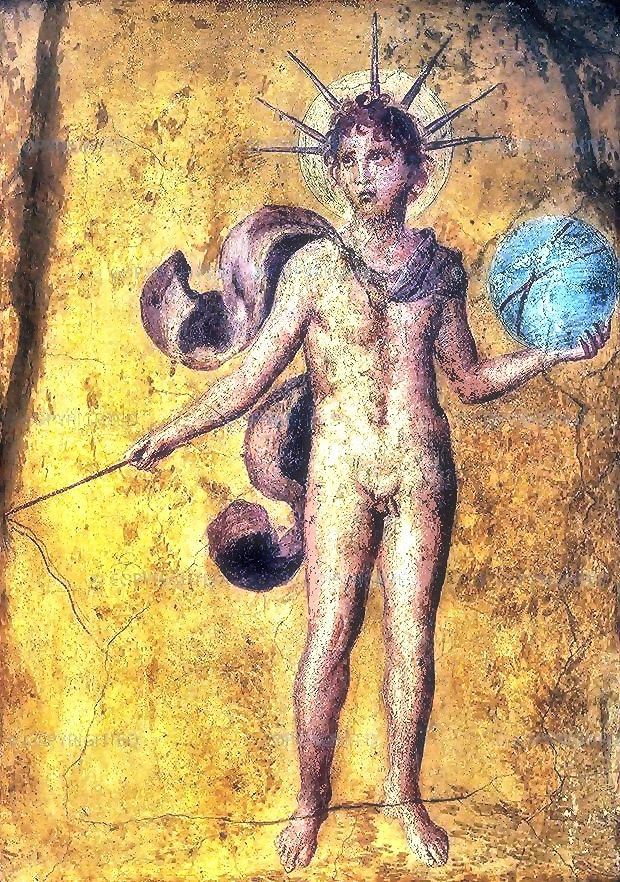
- The other hand holds a flail or cat o nine tails, which are outflow symbols.
- The halo is a portal symbo and the spiked head marks a Sol type portal for upward flow.
A two-dimensional circle functions as a structural diagram, and a three-dimensional sphere can represent the fully enclosed volume of a torus.
In these two instances, the spheres are depicted specifically as portals. A torus is needed to make a portal, which is an inlet or outlet through a torus barrier.
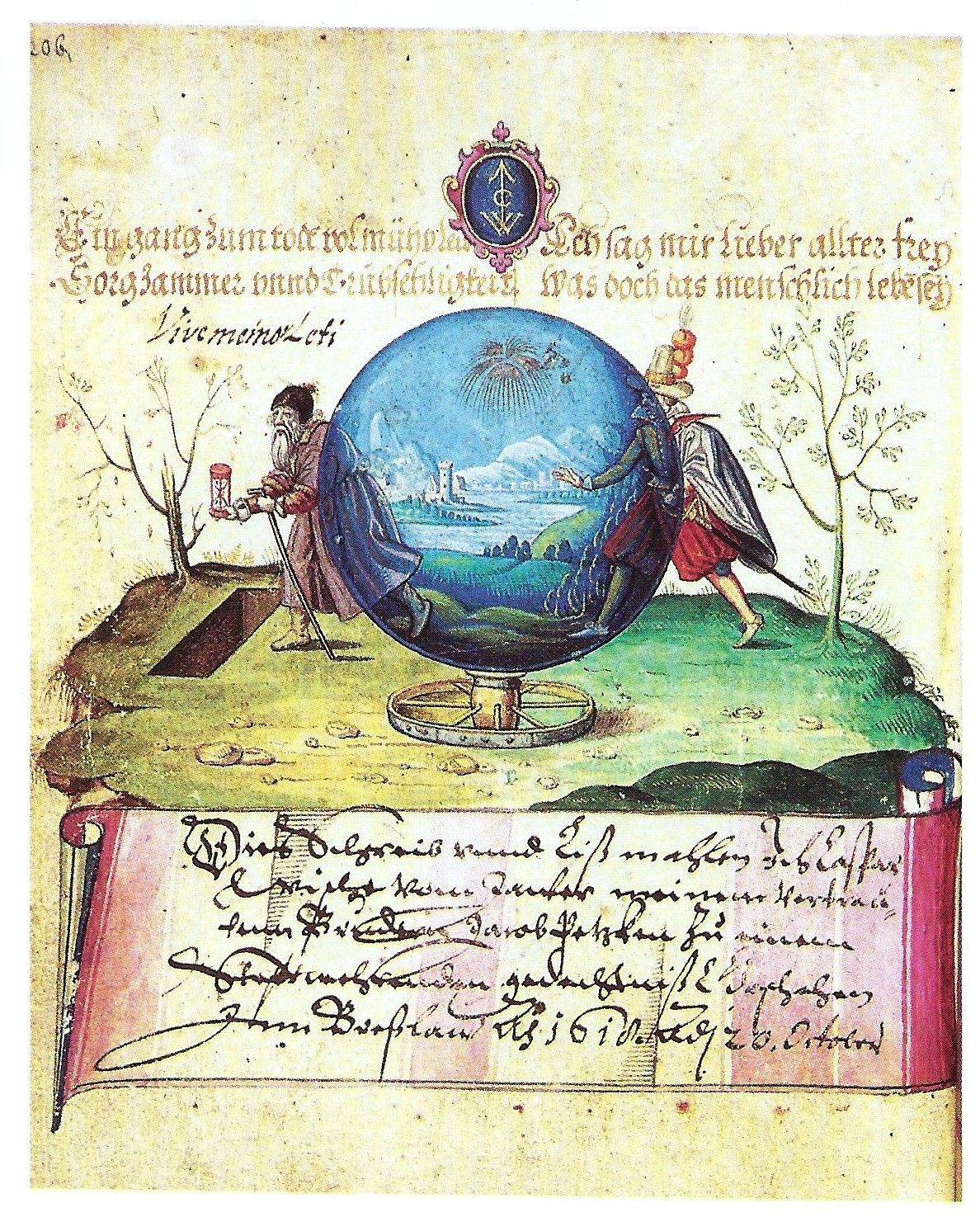
- The side people are showing flow directions along the horizontal plane.
- One person-symbol shows inflow, the other outflow.
- The wheel is a bottom portal. The top portal is marked for bidirectional flow.
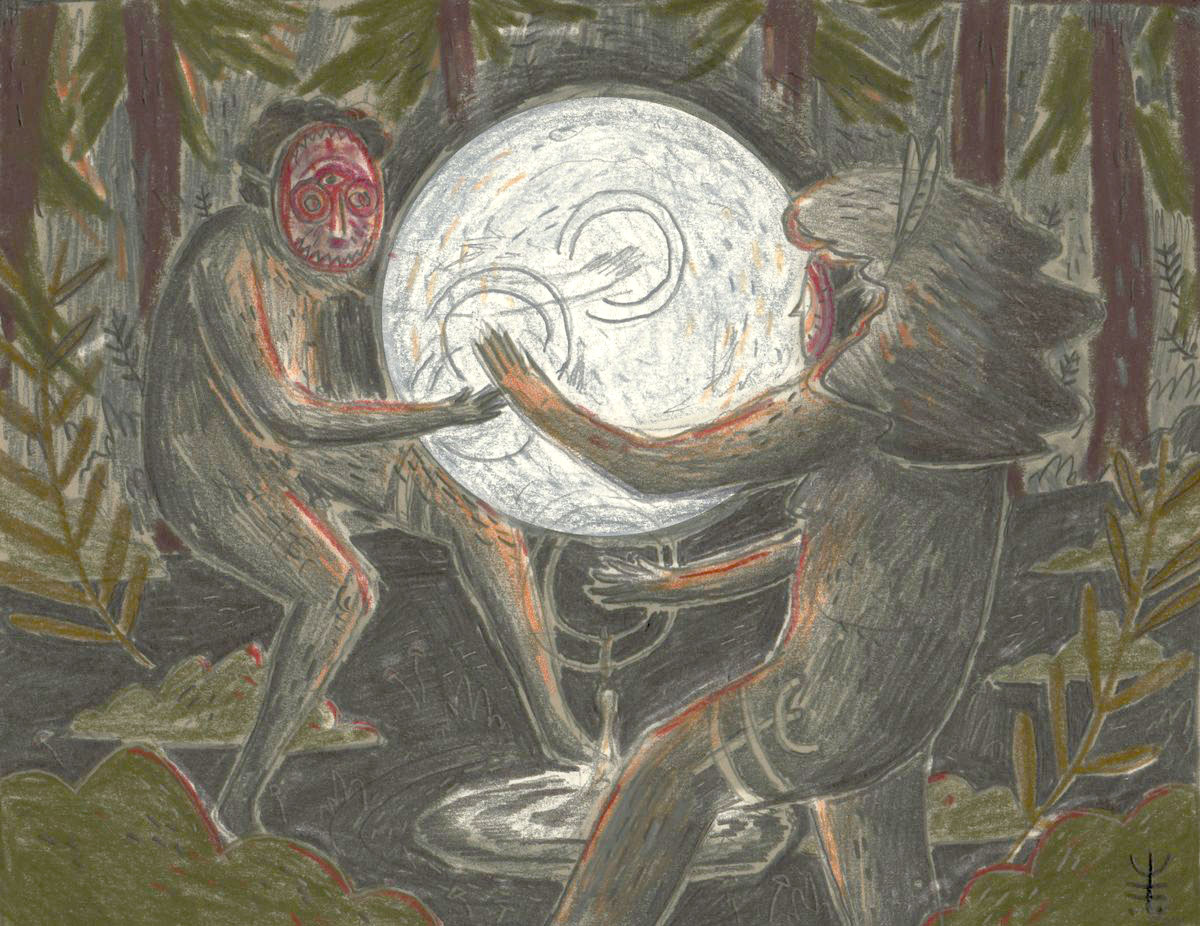
- The side people are symbols, their arms show flow connections to the horizontal plane of that torus.
- One hand is on a bottom portal.
- One leg has a marking meaning upward flow in that side person-symbol. Straight feathers also mean upward.
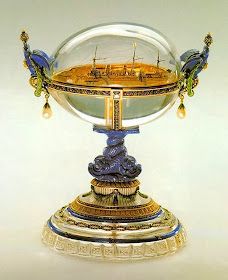
- The horizontal plane is visible.
- Symbols above the horizontal are in a higher-density reality.
- There are two side portals and a bottom portal.
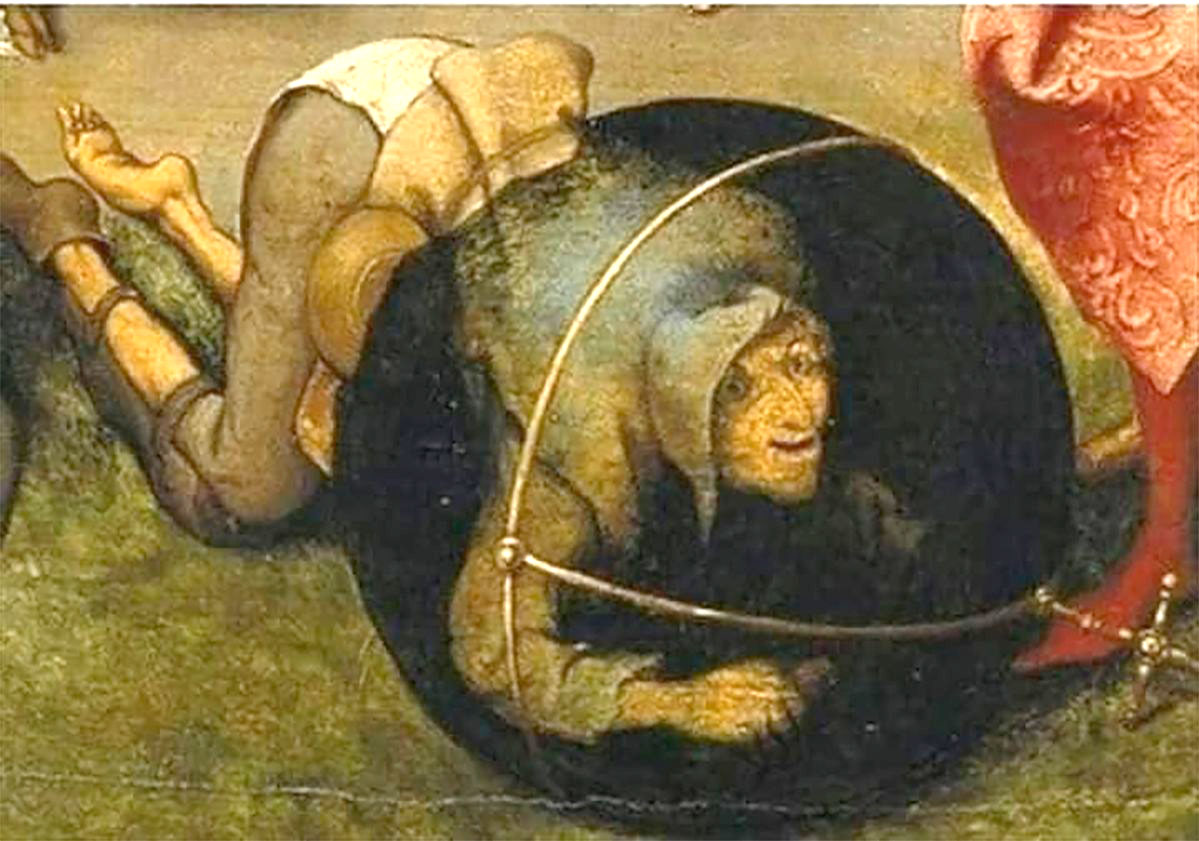
- It seems like a torus oriented horizontally, rather than north up.
- A person-symbol does inflow. The cross on the other side also is marking an inflow.
In this four-image layout, the spheres represent the main subject torus, while the symbols touching the edges are portals. More spheres on Pinterest.
Square, Rectangular, Arch and Triangle Torus Shapes
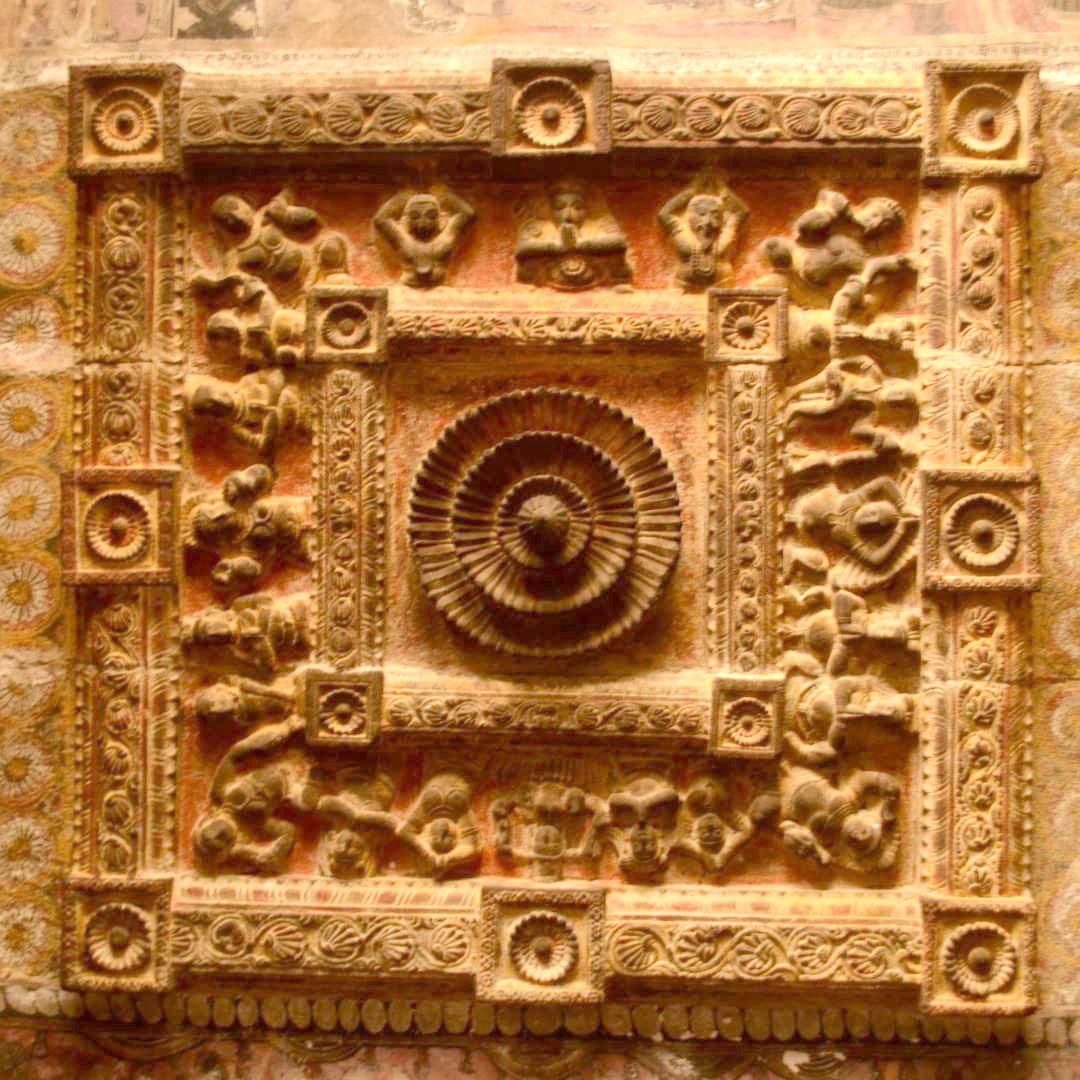
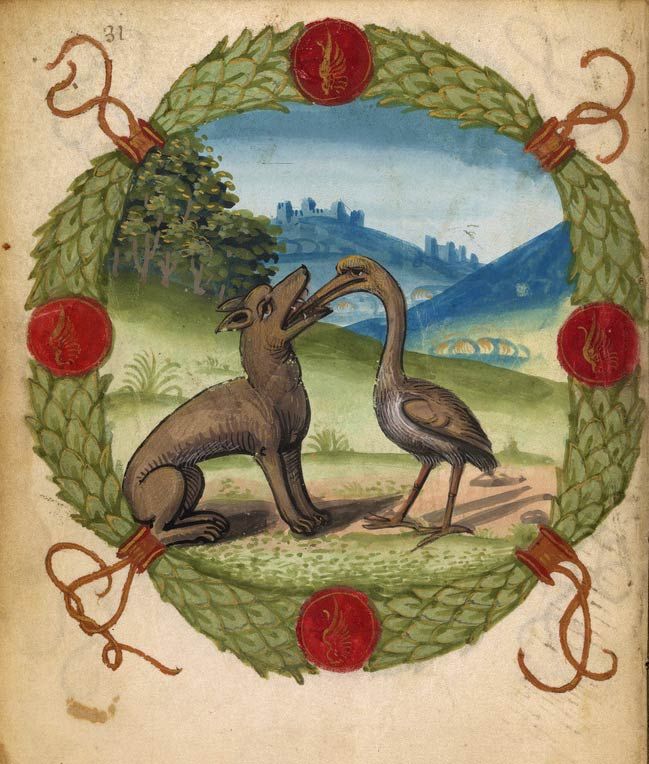
The outer barrier of this torus symbol is square, and it is equivalent to the circular shape torus. They both have eight portals on the outer barrier.
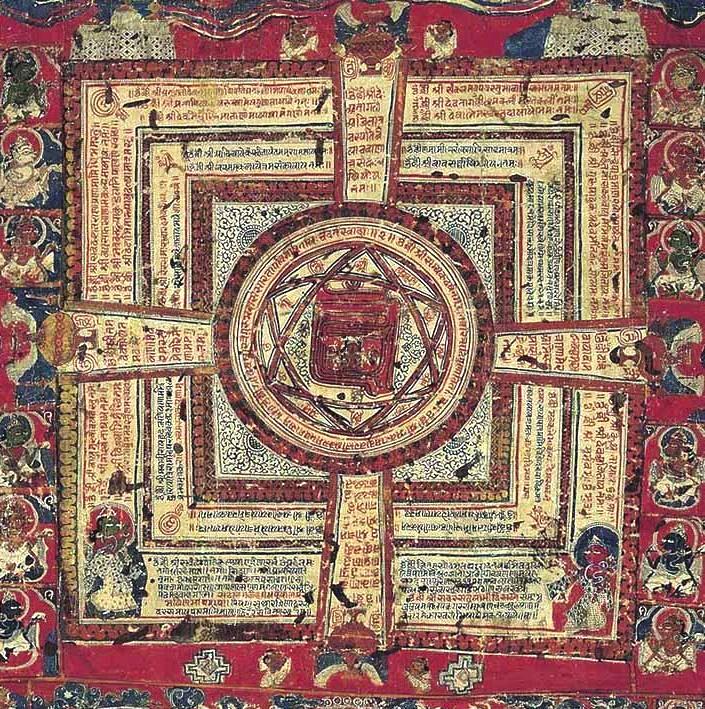
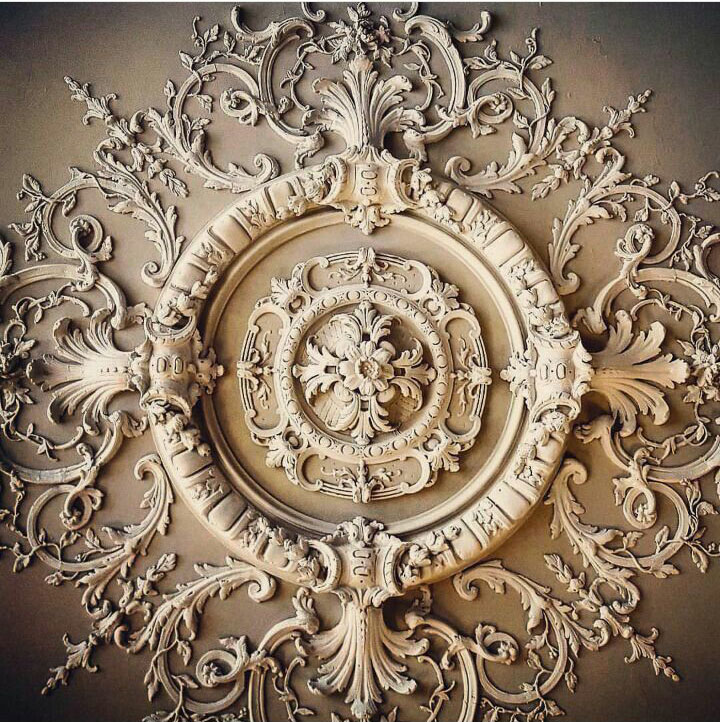
The outer barrier of this torus symbol is also square and is equivalent to the circular shape torus. These have four portals on the outer barrier.
Many examples of Eight portal tori are worth seeing. And examples of Four portal tori. It's evidence.
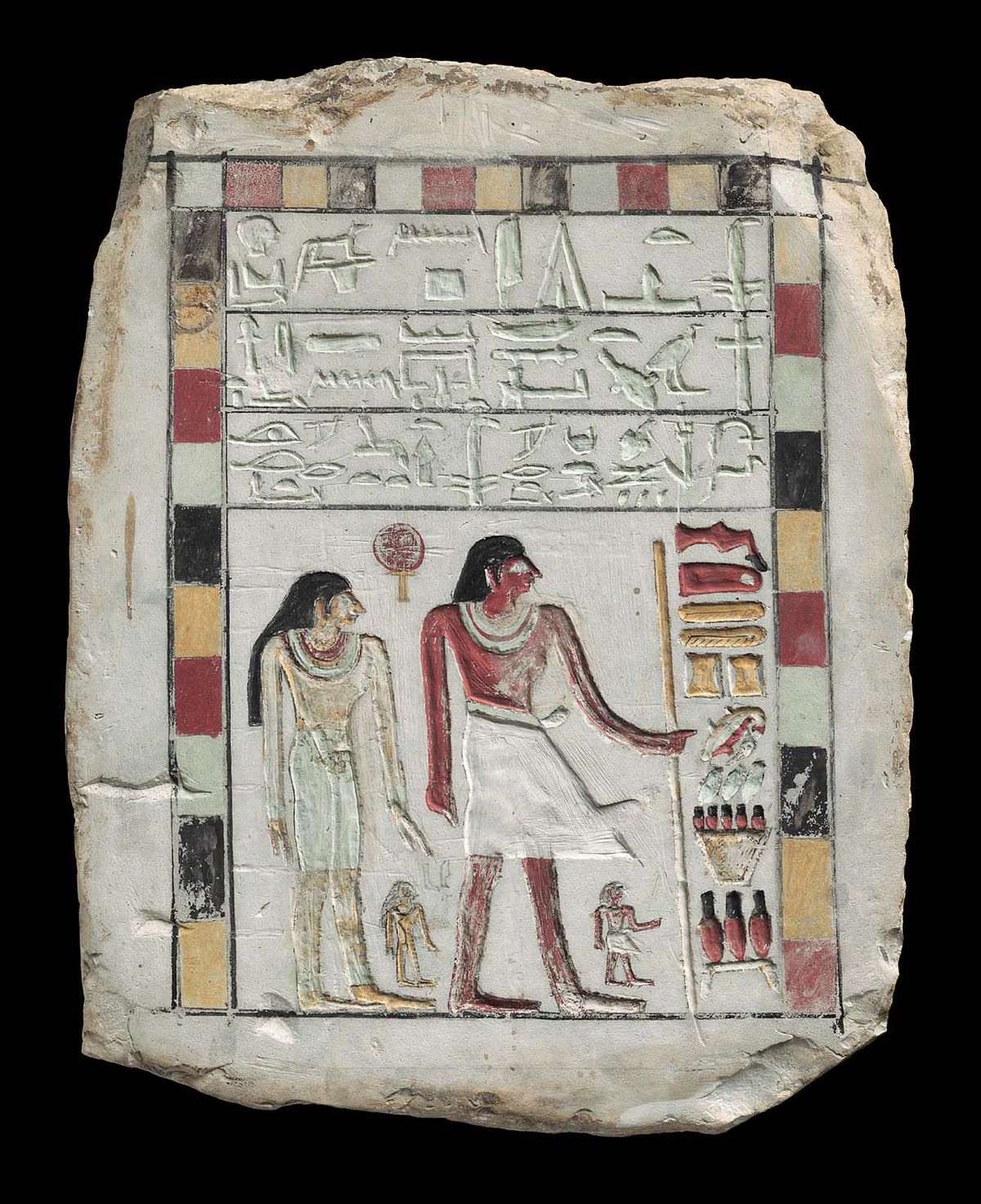
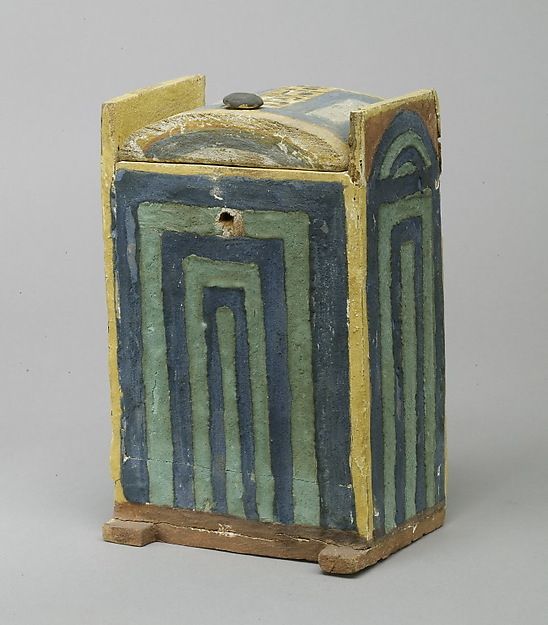

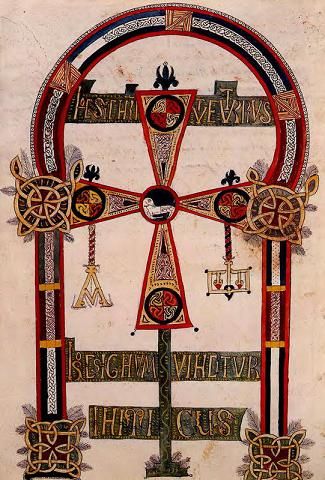
- The top of the vertical flow path goes through a barrier marked in battlements style.
- The horizontal flow path is marked with Alpha for outflow and the other therefore must mean an inflow symbol.
Ultimately, these square, rectangular, and arched configurations all function as torus symbols. More Arches, Rectangles, and Square tori.
The Horizontal Plane
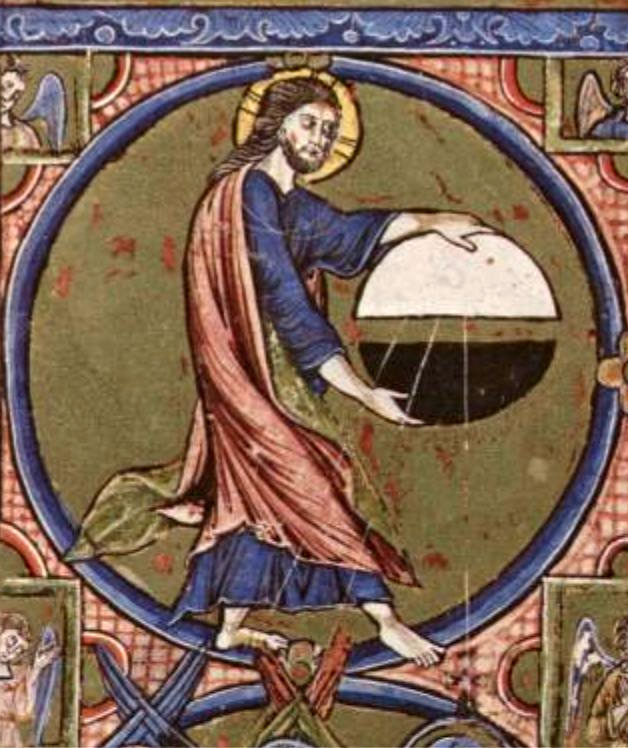
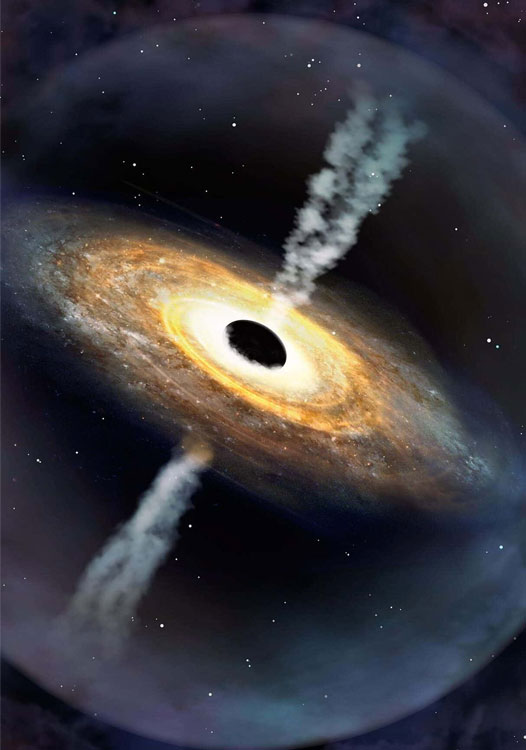
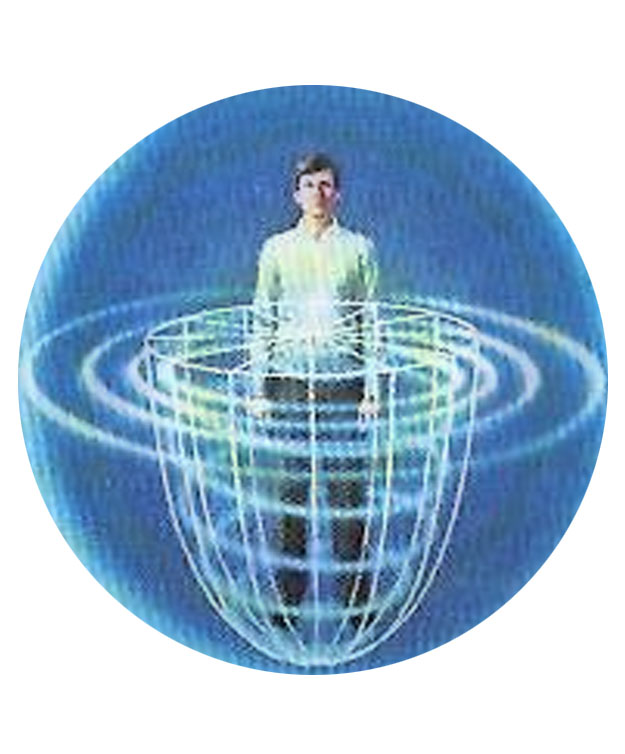
When a torus is sliced into upper and lower halves through the core along the equator, that slice is along the horizontal plane. If it were planet Earth, you could call it the equatorial plane. If it were the solar system, the planets on the horizontal plane are called the ecliptic plane. In a galaxy torus, all the stars on the horizontal plane are called the galactic disk. When a person represents the vertical flow through a torus, the waist is on the horizontal plane.