Flux Tubes
Magnetic energy flows in flux tubes
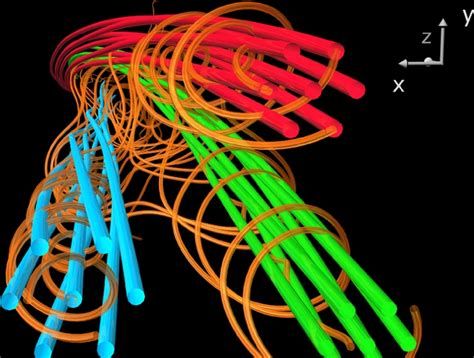
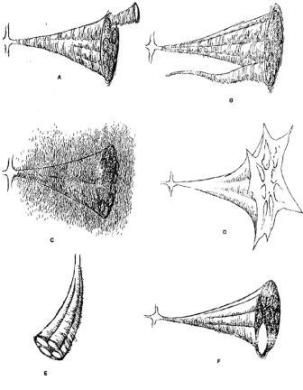
- Notice the flux tubes are in bundles and they expand / inflate and then have open ends that spill flux contents.
A computer simulation illustrates bundles of parallel flux tubes, which can extend linearly or feature secondary strands that helix around them. How did traditional Chinese medicine know to diagram energy flows with very similar construction?
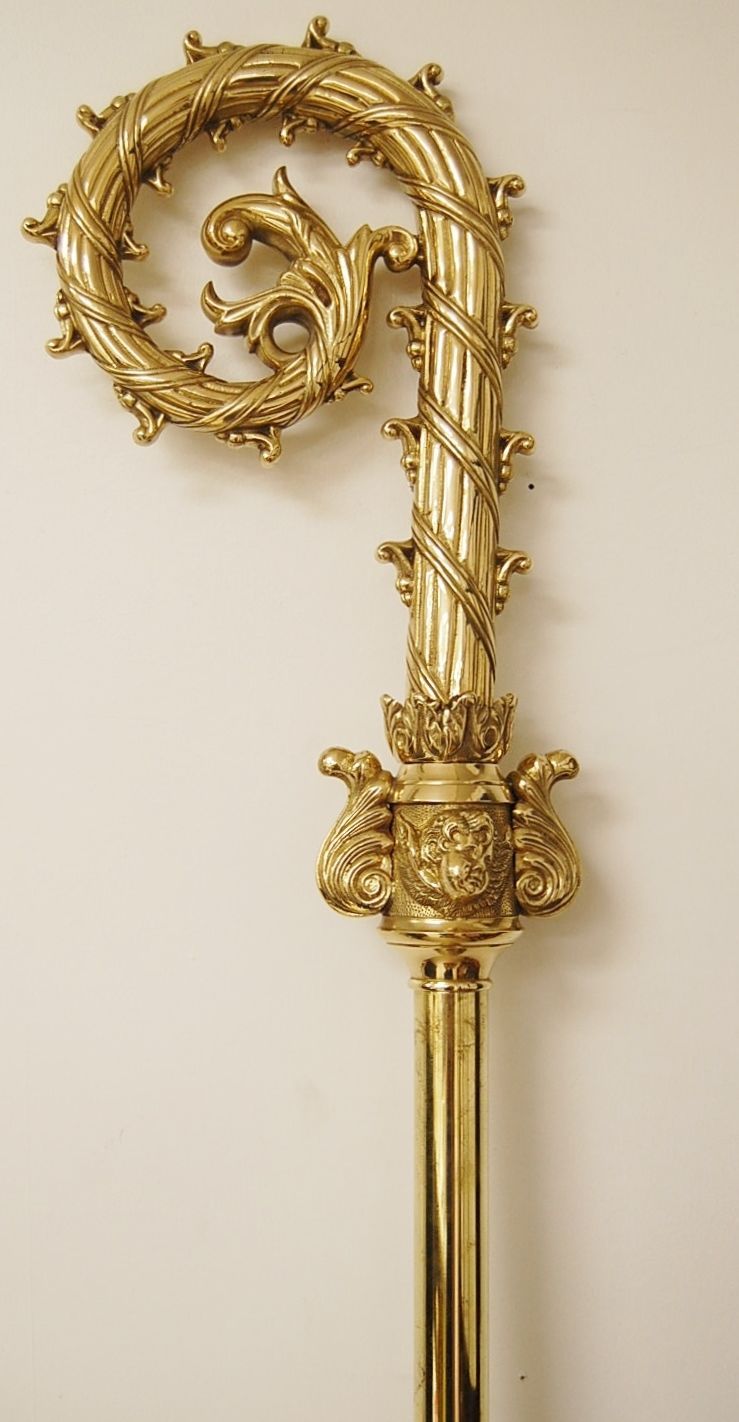
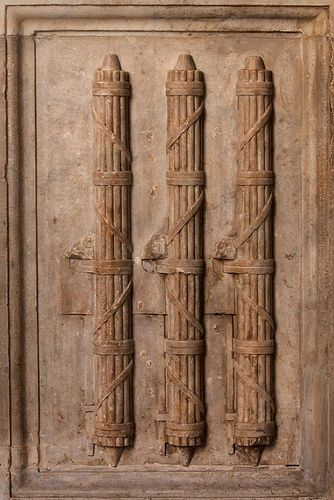
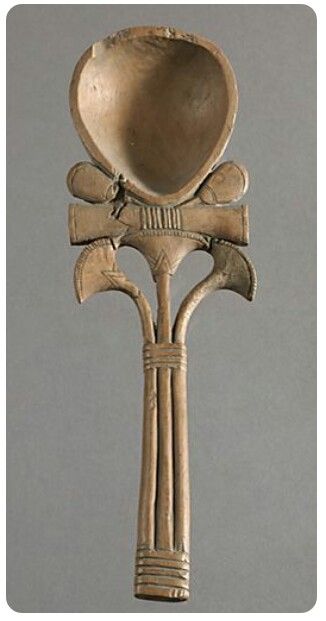
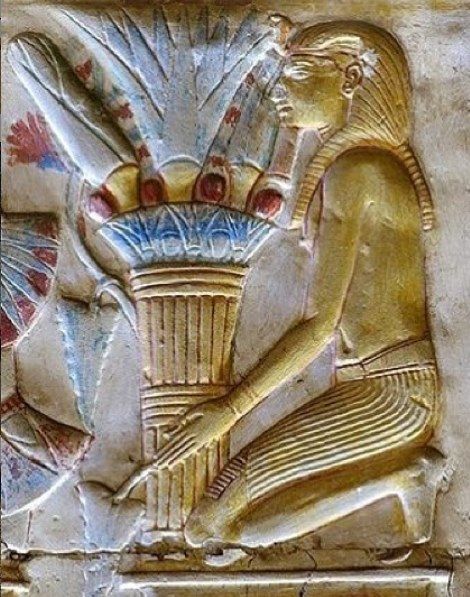
These parallel and helical flux tube configurations appear consistently across the artwork of diverse ancient civilizations. Interpreting these well known symbols as flux tube bundles will soon make more sense.
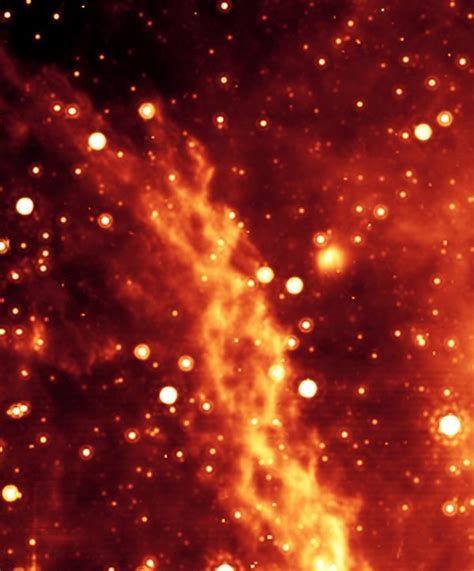

This identical structural pattern scales up to a cosmic level, where massive flux tube bundles manifest as Birkeland currents and organize the intergalactic web.
The "Electric Universe" is a popular framework, but with one key refinement. The flux inside these macro flux tubes does not become photons and electrons until it exits the main outer tube or the many smaller bundled tubes inside it. Flux tube outer walls have many outflows as part of their structure, so there is no conflict with electric universe concepts.
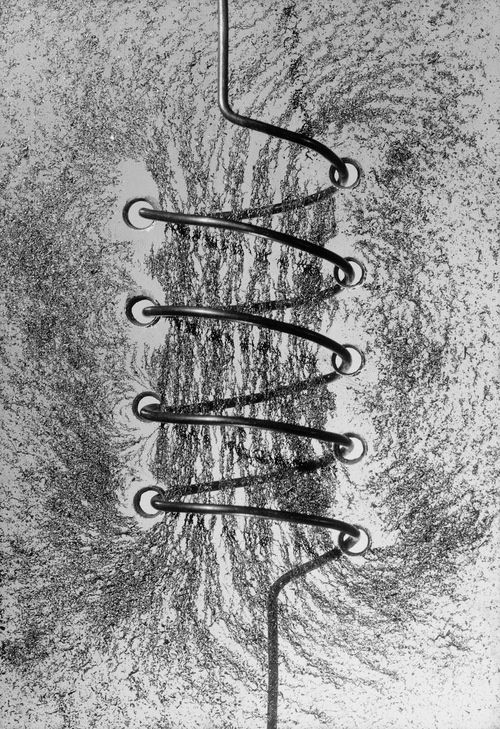
Magnetic flux tubes form and organize themselves naturally and quickly, even from a solenoid coil. Standard instruments do not detect photons or measure isolated electric charge along the paths of those flux tubes in the magnetic flow circuit of a torus.
However, when these flux tubes undergo magnetic reconnection events in Earth's magnetosphere—photons and electrons suddenly manifest. These particles did not exist "inside the flux tube" beforehand; rather, the underlying medium rapidly reorganizes into photons and electrons the moment it escapes the extreme confinement pressure of the tube.
The best ancient tubes from symbolism
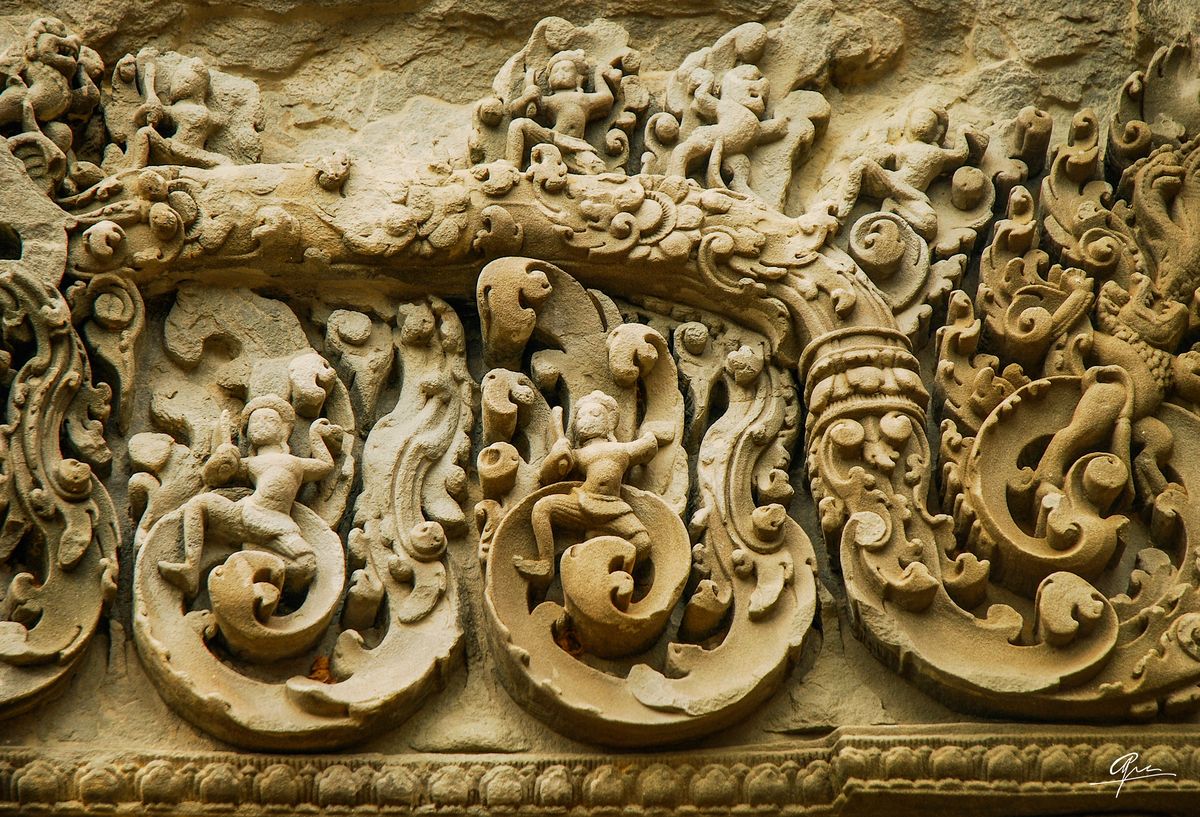
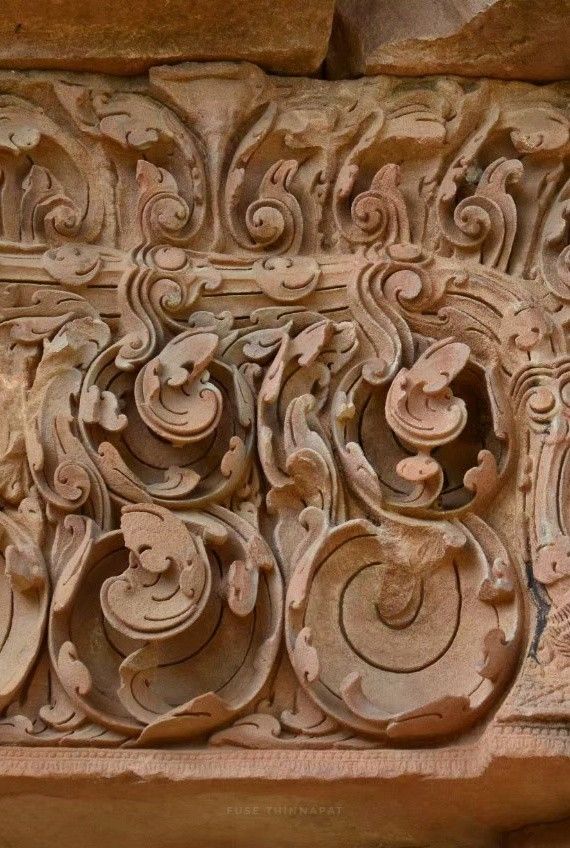
Cambodian Khmer carvings depict a flux tube, hollow on the inside and with outer barrier walls that resemble a leafy covering.
Outflowing from the outer surface of the main tube walls, are smaller outflows that become smaller tubes that that form spiral curls. Look for those spirals on examples below.
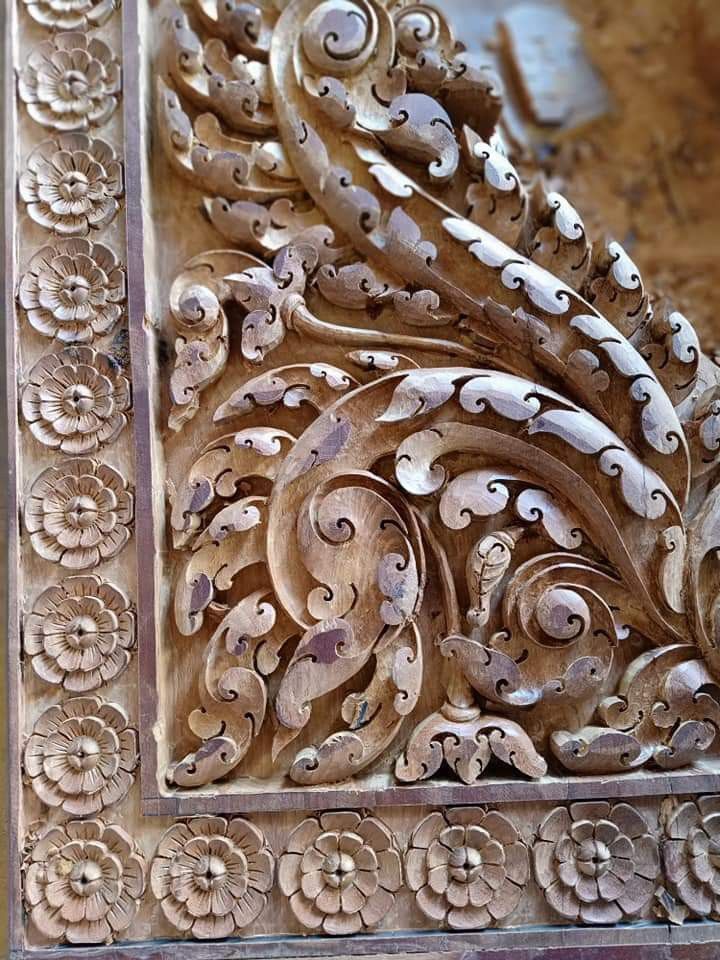
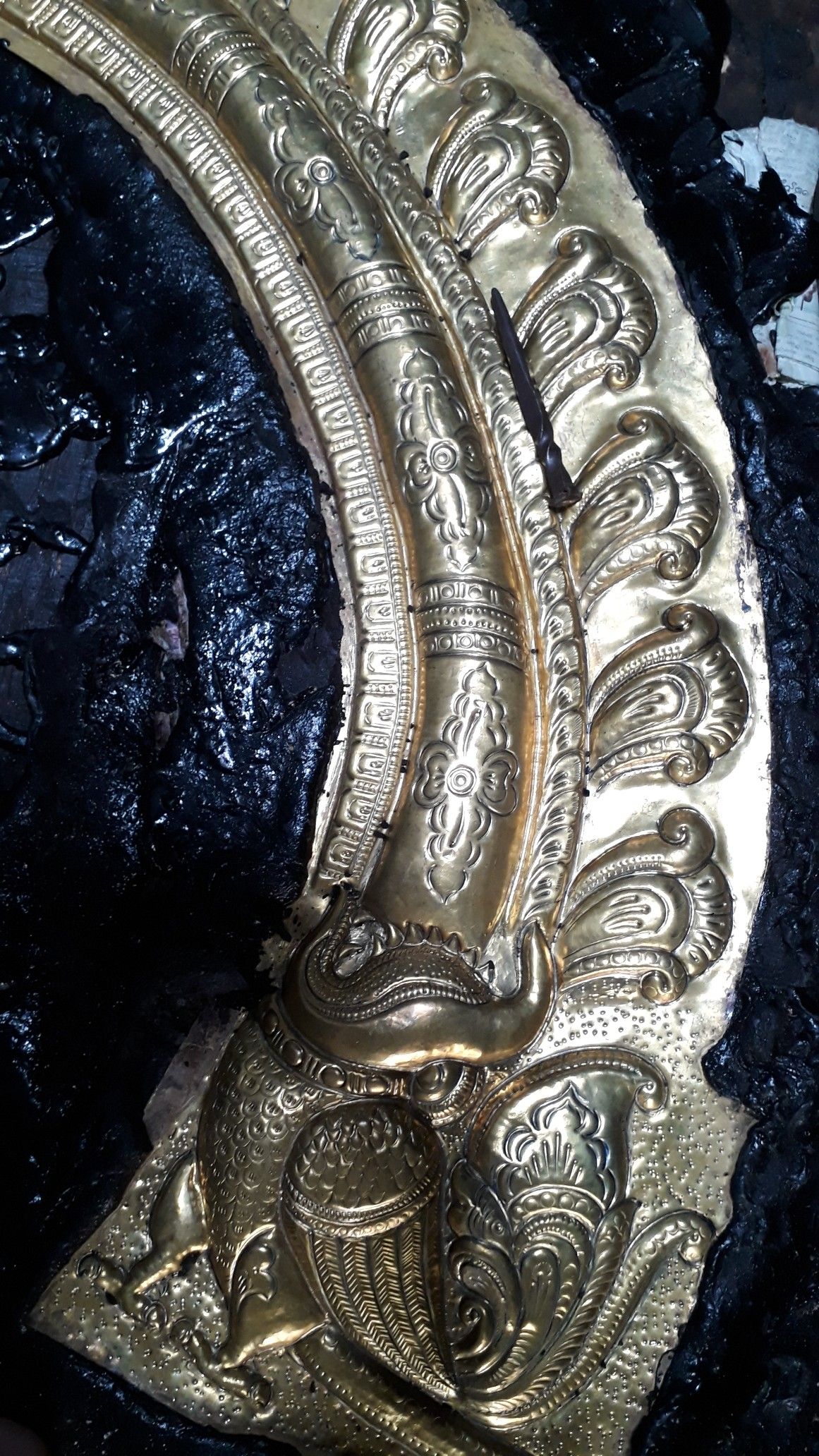
Two more examples of pipe-like flux tubes having smaller outflows from the outer surfaces. One originates from Khmer tradition, while the other is from India.
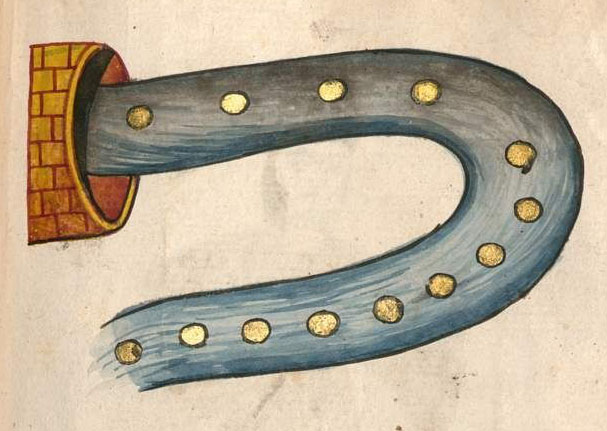
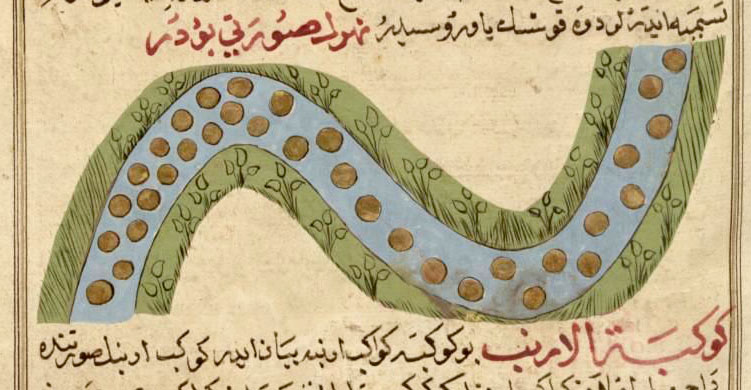

These illustrations from historical Arabic manuscripts are often accompanied by later texts referencing star constellations. However, textual interpretations can easily mislead or distort the original intent over millennia.
These can be cosmic Birkeland currents, but also applicable to flux tubes of all scales.
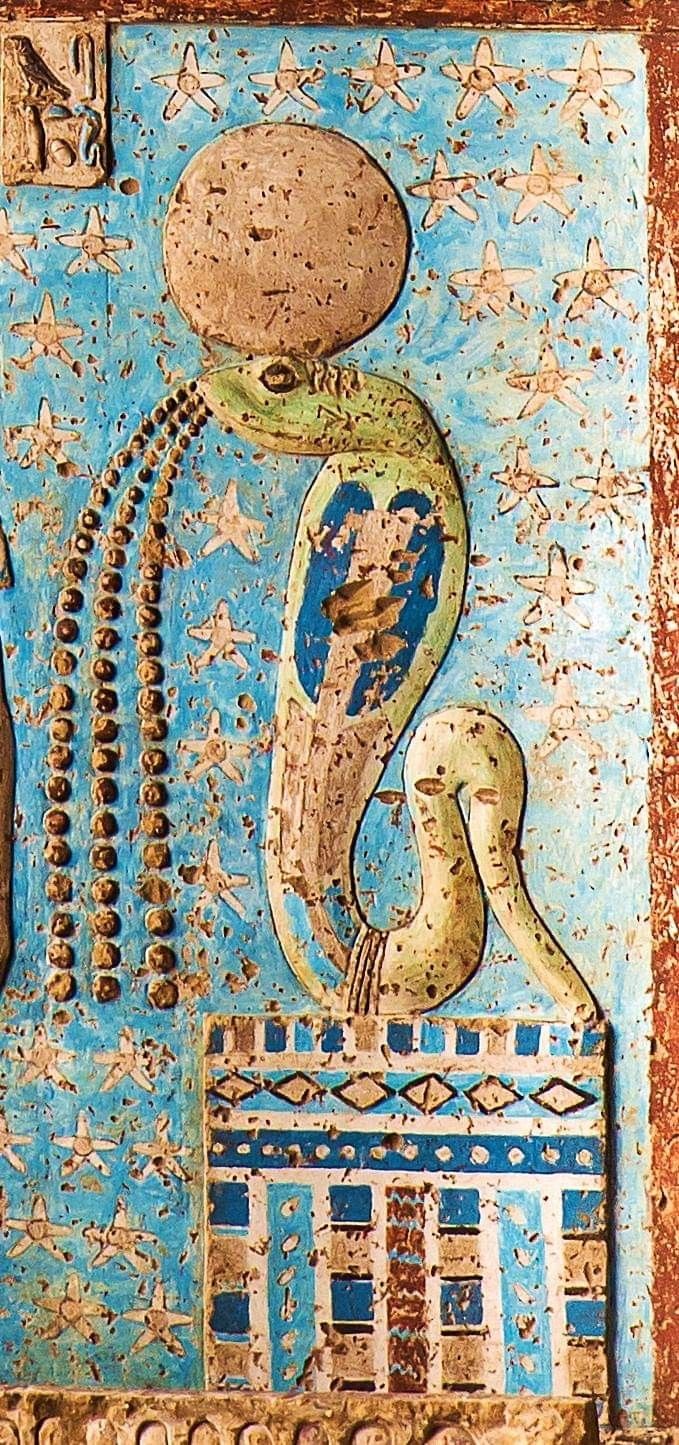

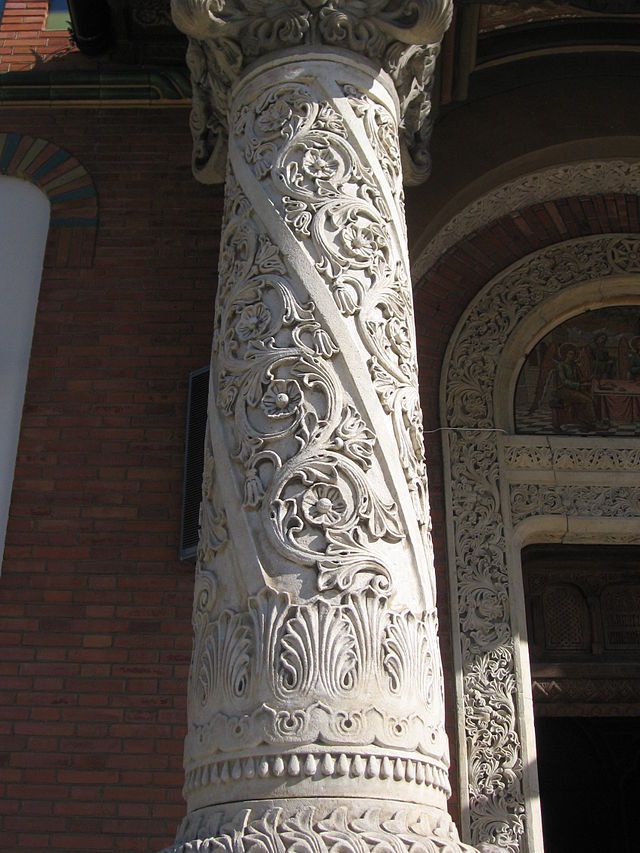
Dots representing the flow of energy was common in ancient symbolism.
Dots as energy flow passing through a portal is another use.
Dots are used as an abbreviation for the spiral vortex eddies inside flux tubes, with more detail on this below.
To explore the massive scale of this visual evidence across global antiquities, refer on Pinterest to this large collection of dots as energy flow as well as dots expanding and keep this concept of pressure expansion in mind when analyzing the explicit vortex schematics featured further down the page.

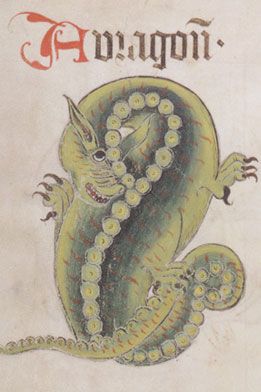
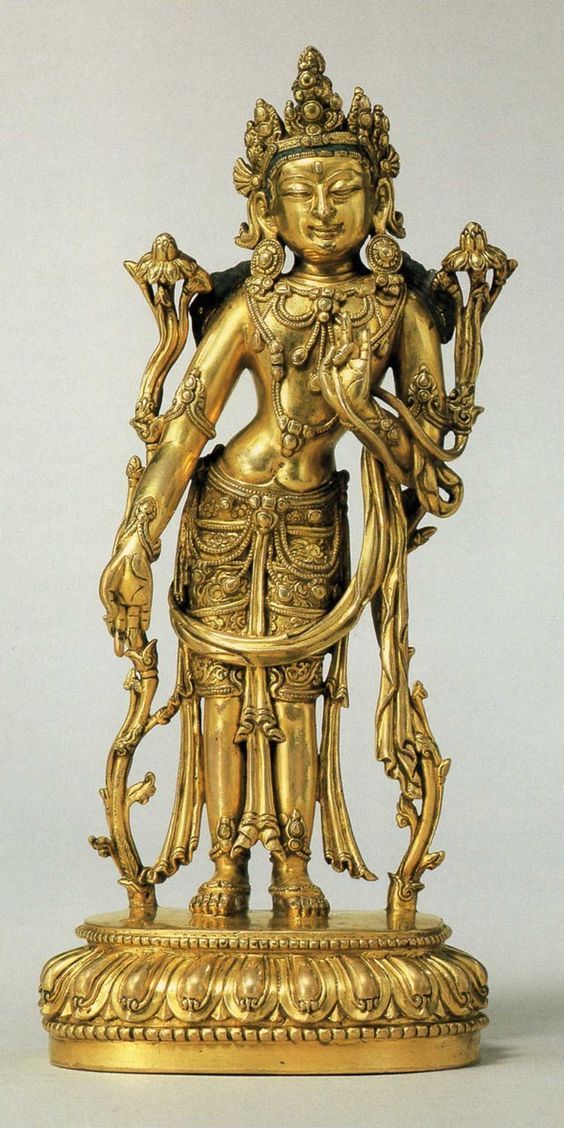
Snake and reptile symbols are very common flux tube symbols, as are vines, branches, plant stems and tree trunks. Snakes are not symbolizing evil in any way.
Flux inside of flux tubes
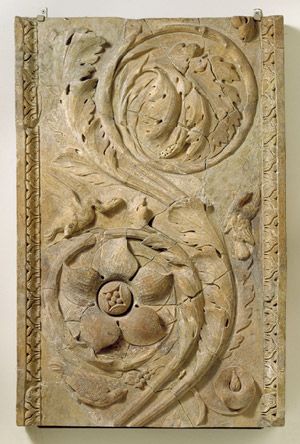
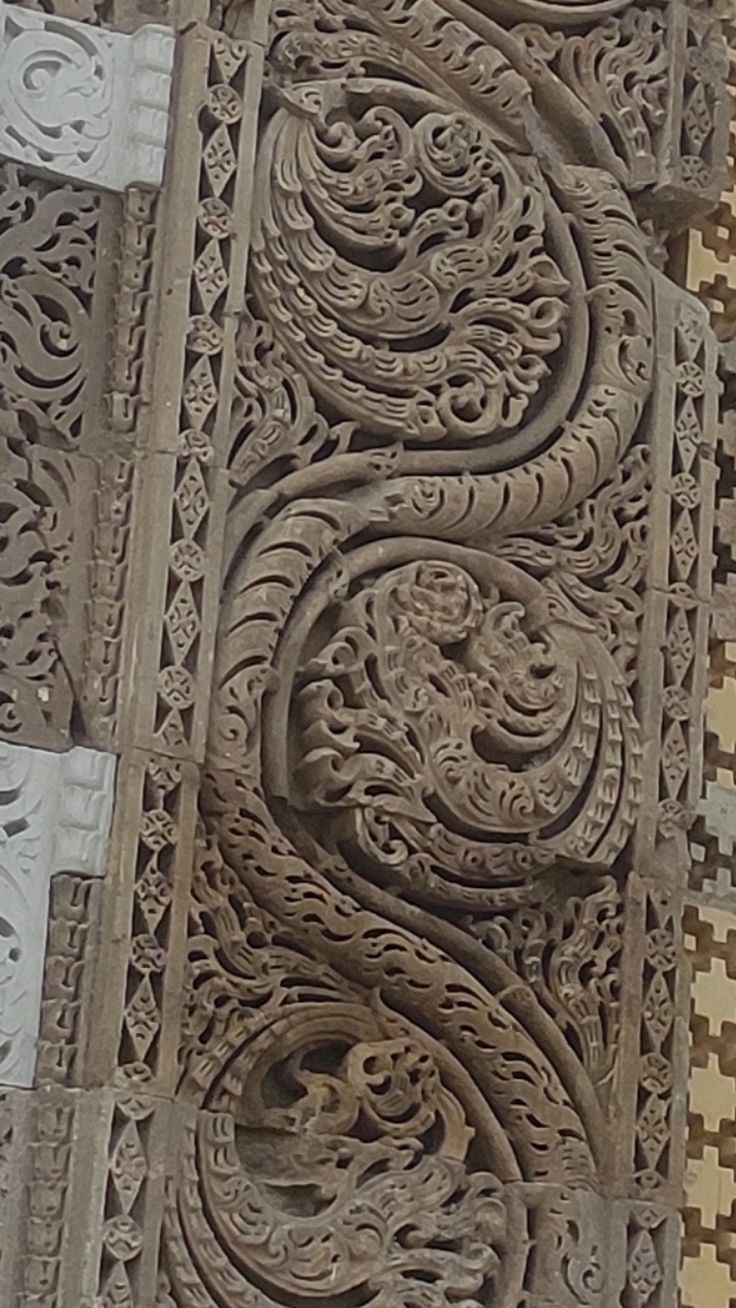
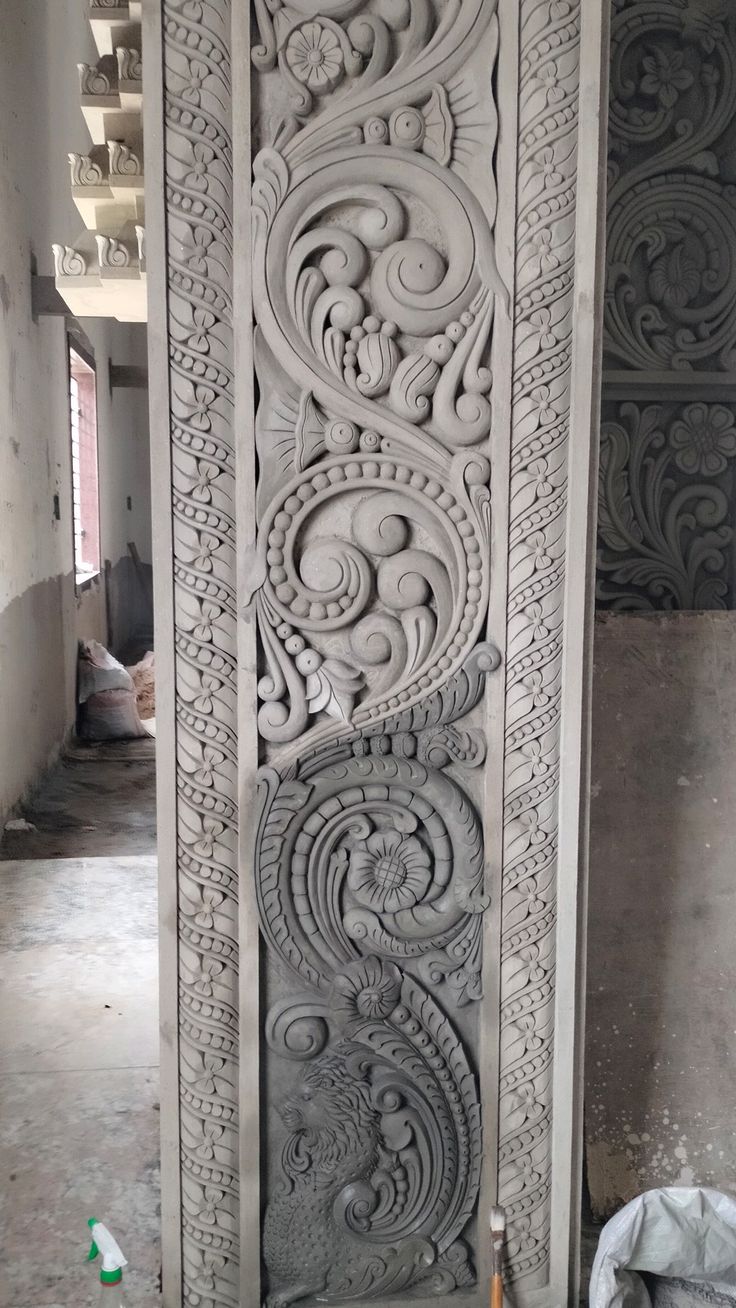
These diagrams function as longitudinal cross-sections exposing the internal dynamics of a linear flux tube. Within the straight containment walls, smaller flux tubes are flattened into a serpentine path, although they would follow a helical path in a three-dimensional tube.
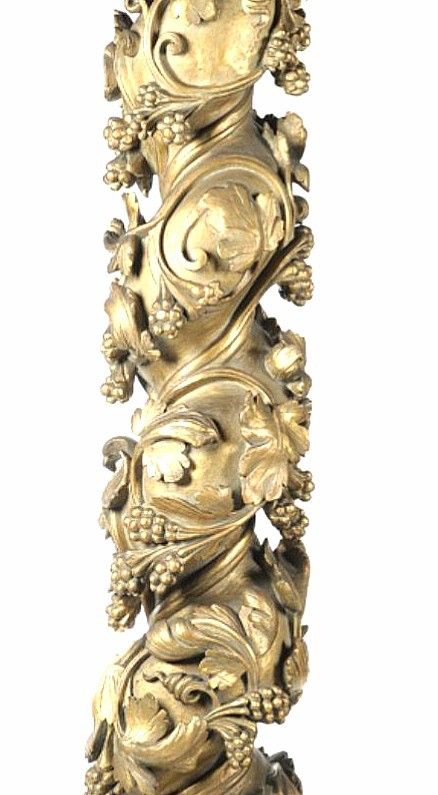
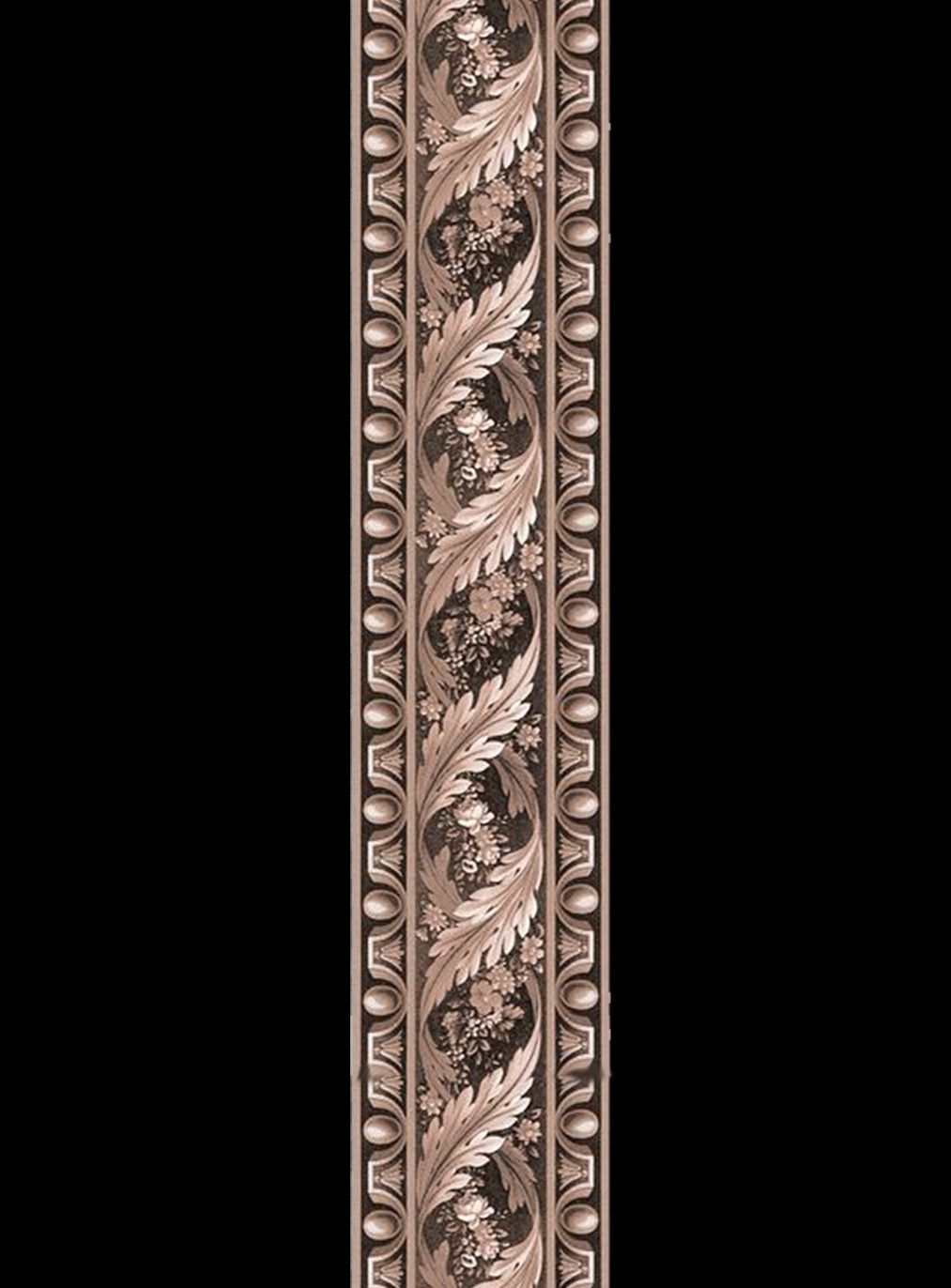
Along the flow path, there are also intermittent vortices or eddies where energy comes out of the tube and then spirals inward, ultimately disappearing.
When visualized fully in three dimensions, this internal flux reveals a helical corkscrew path winding within the containment walls, and of course it resembles a Birkeland current.
The fate of energy exiting a flux tube
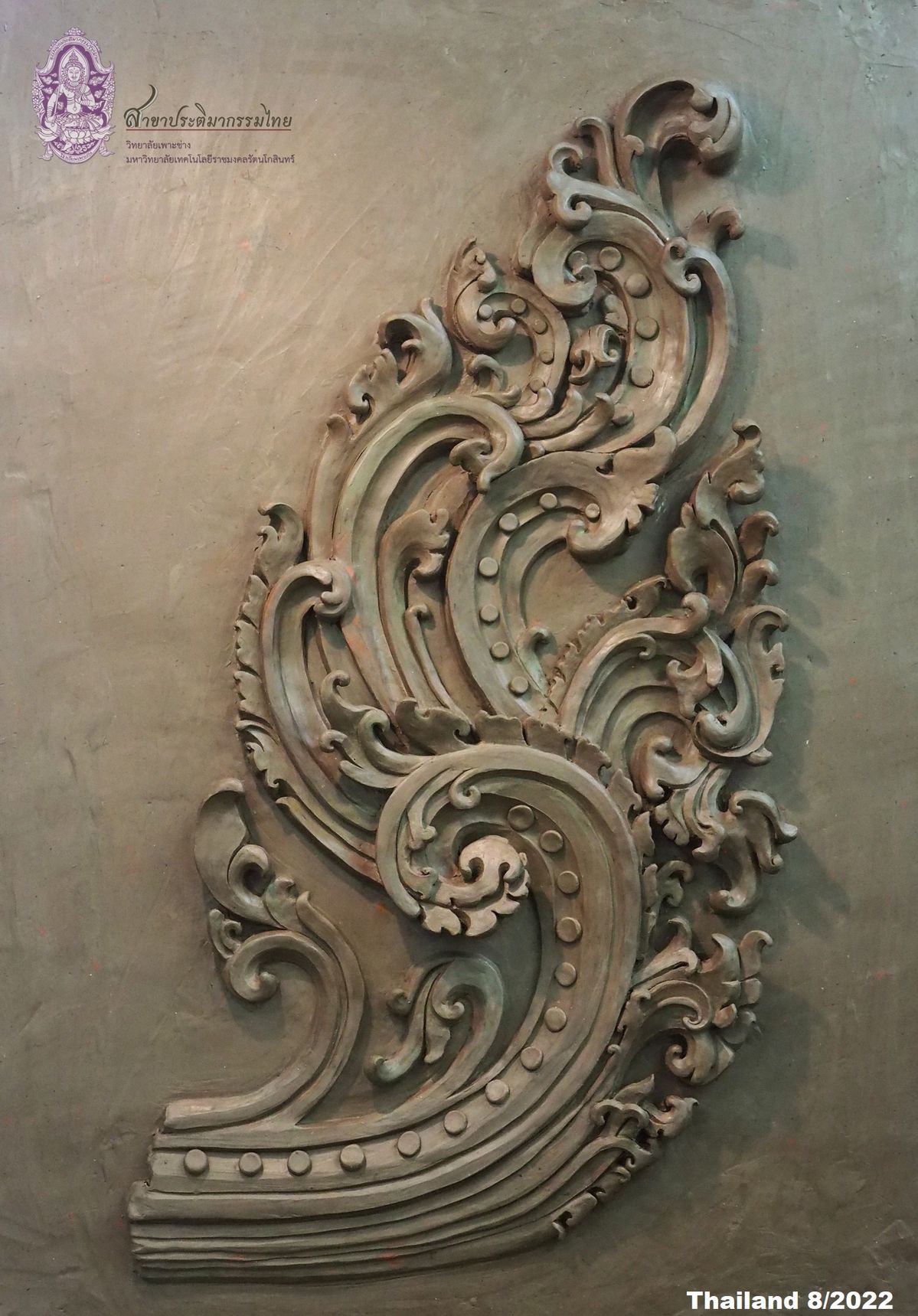
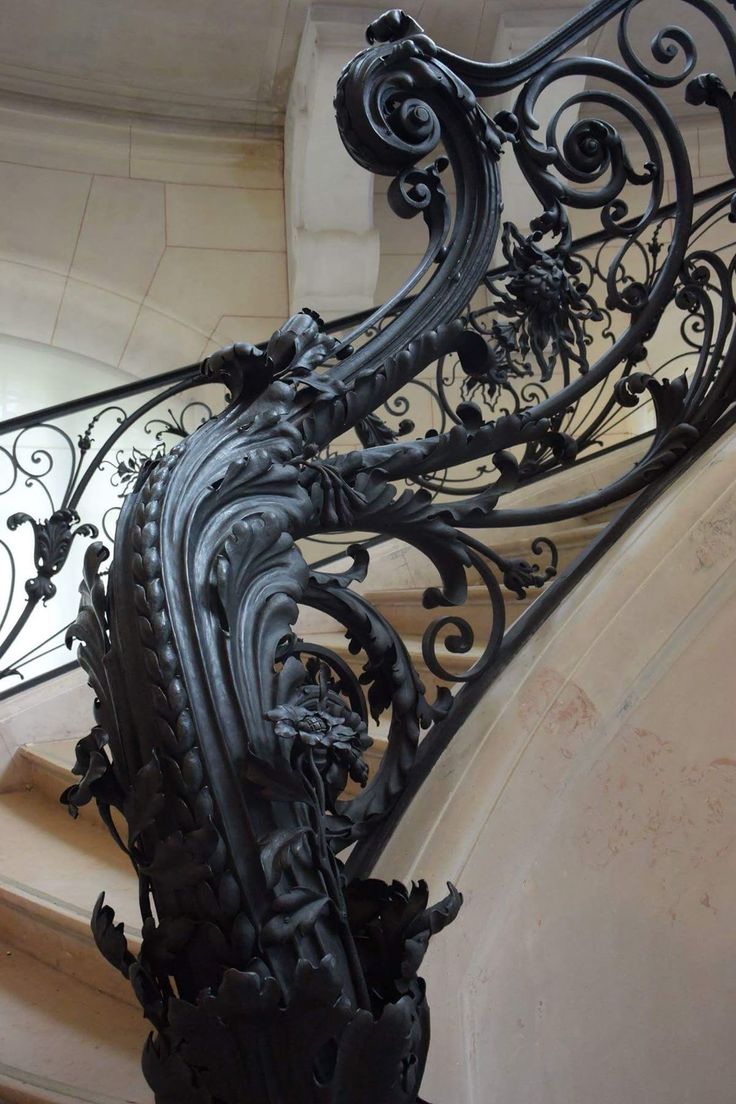
As flux exits a tube, it expands initially because it is no longer confined by the internal pressure of the conduit. Following this expansion, it begins to deflate, which leads to curling up into spiral eddies, vortices. As these structures wind down, they contract until they vanish completely from standard detectability.
Has this energy transitioned into a co-located, higher-density dimension, as ancient symbolism consistently suggests, or would you prefer to call it the quantum vacuum?
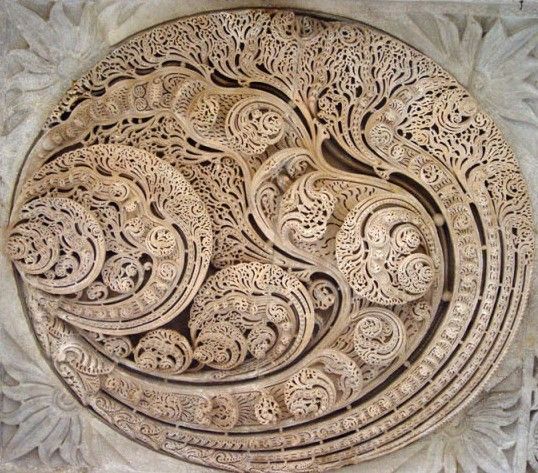
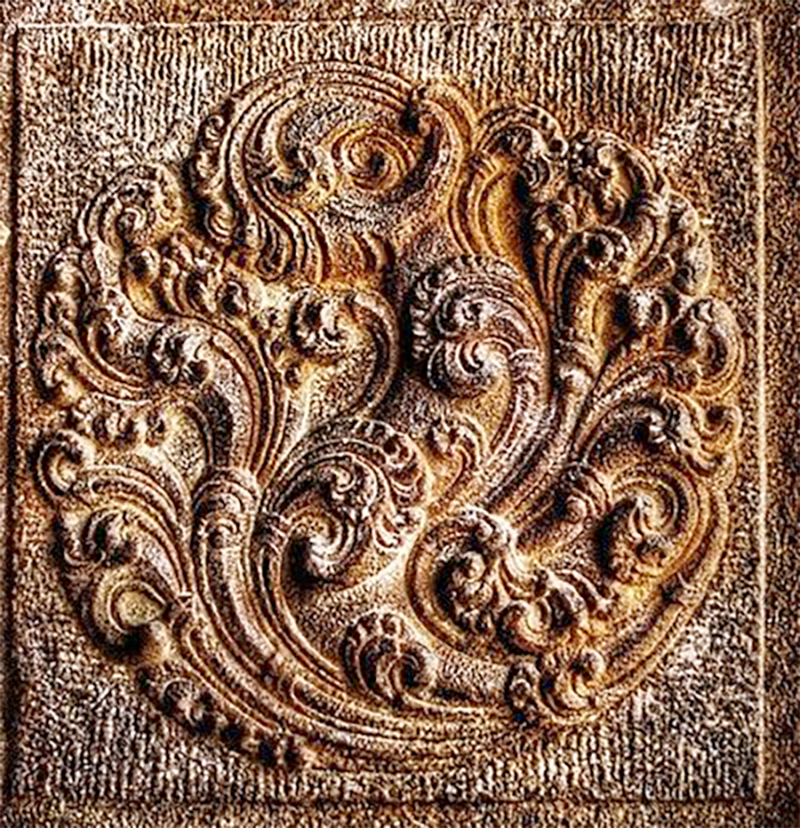
Images from Chaumukha Temple and Chennakeshava Temple in India show incredible detail of the cycle of the fate of magnetic energy.
On the upper image, the flux journey begins in the bottom left where one flux tube divides into several branches. Each of those secondary tubes continues to dilate as the eddies inside them also expand. However, this expansion eventually transitions into deflation. As the tubes deflate, they become undulating, and the internal vortices become smaller. Everything eventually becomes so small that it disappears back into the co-located next dimension. It's an energy cycle.
While conventional physics views the Second Law of Thermodynamics as a permanent descent into disorder, symbolism teaches that the apparent breakdown is actually just one phase of a continuous cycle—where seemingly degraded energy transitions back into a higher-density dimension to be completely recycled. Thus the First Law of Thermodynamics about conversation of energy works quite well with the involvement of a co-located higher-density dimension.
The driving force of flow inside a flux tube
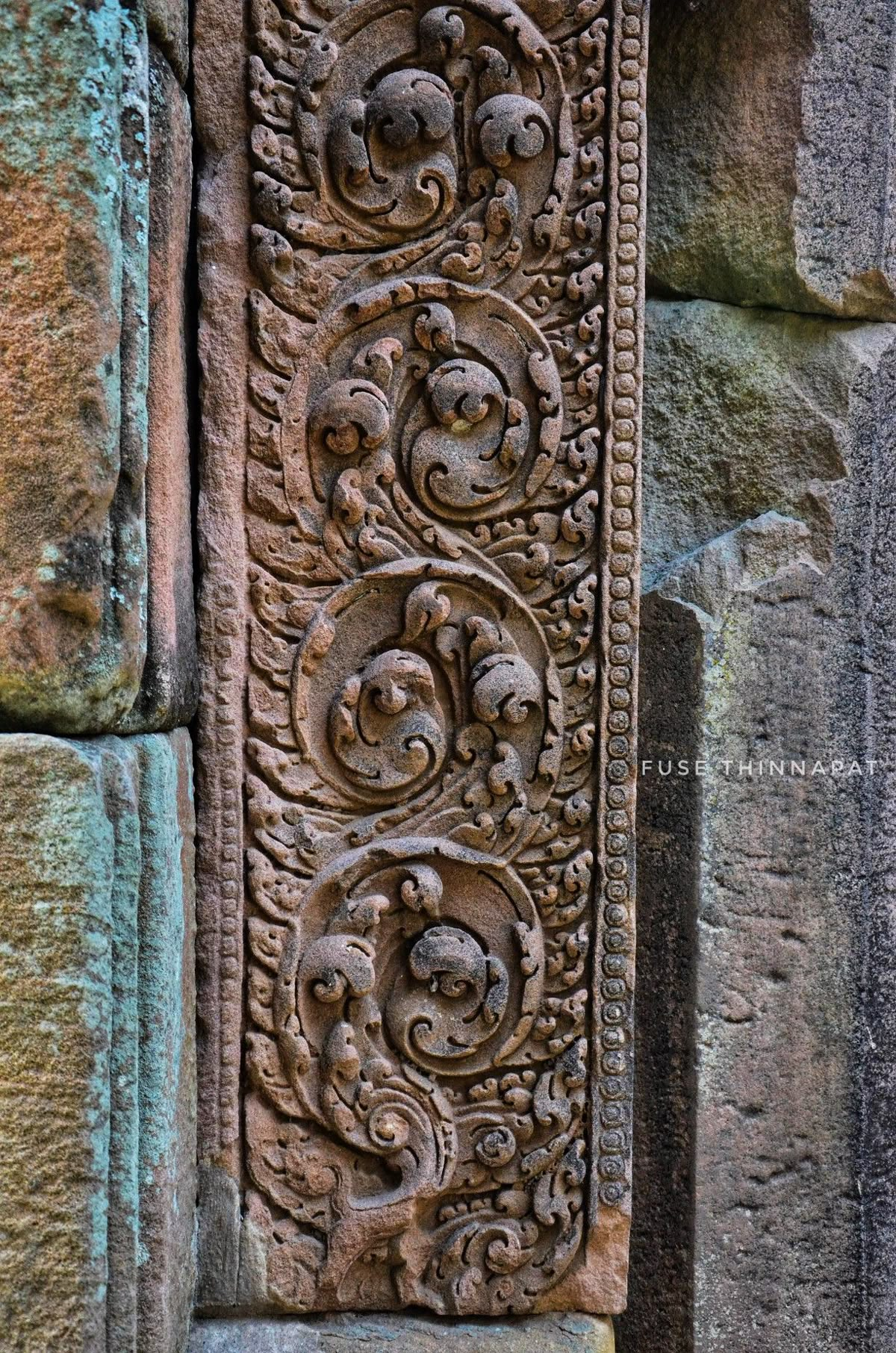
Inside the straight outer walls of this flux tube, there is an inner flux tube that is diagrammed with a serpiginous path, and it has spawned many vortices or eddies inside the tube.
Each of those eddies follows the same pattern of initial expansion, followed by deflation, and then spiraling inward and eventually disappearing.
Expansion does work. Even inside a tube, pressure is being created and each of those vortices is driving the flux foward inside the tube.
Crucially, this volumetric expansion performs mechanical work. Even when confined within parallel containment walls, the expanding outflow generates localized pressures. Because pressure is the fundamental force that initiates and maintains motion, these cascading internal vortices collectively act as the primary engine—propelling the entire flux forward through the tube.
Greatest lesson about flux tubes

The Hidden Pillar of Reality
Look closely at the high-temperature superconductive disk in Image A. Mainstream physics obfuscates this astonishing phenomenon behind obtuse labels like flux pinning and quantum locking.
But strip away the terminology and look at the raw physical reality: the hockey-puck-shaped disk is hovering completely stationary in mid-air. This is not an illusion, and it is not anti-gravity. The entire weight of that solid disk is resting on a bundle of vertical flux tubes. They are acting as literal, rigid structural pillars.
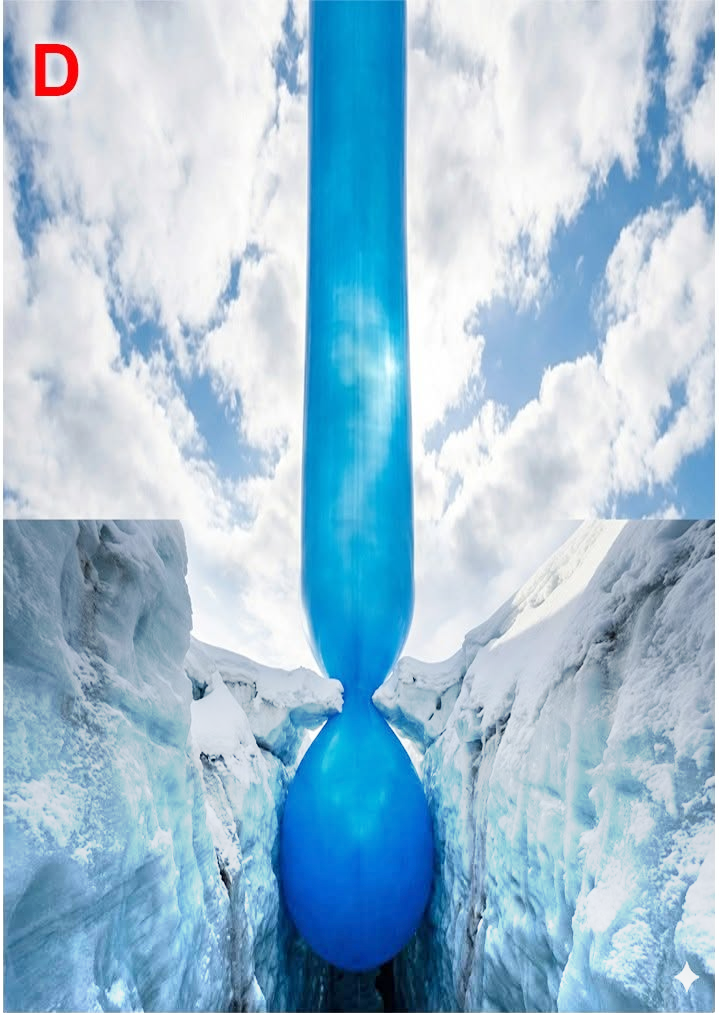
The Mechanics of 'Pinning'
To visualize this locking mechanism, consider the analogy of a glacier crevasse acting as a structural defect (Image B). If an elongated balloon—representing a flux tube, penetrates this narrow chasm and inflates, it becomes tightly pinched within the rock walls.
The high internal pressure within the localized tube prevents it from slipping or sliding out of the defect. This mechanical friction and capture is the literal physical basis behind "pinning."
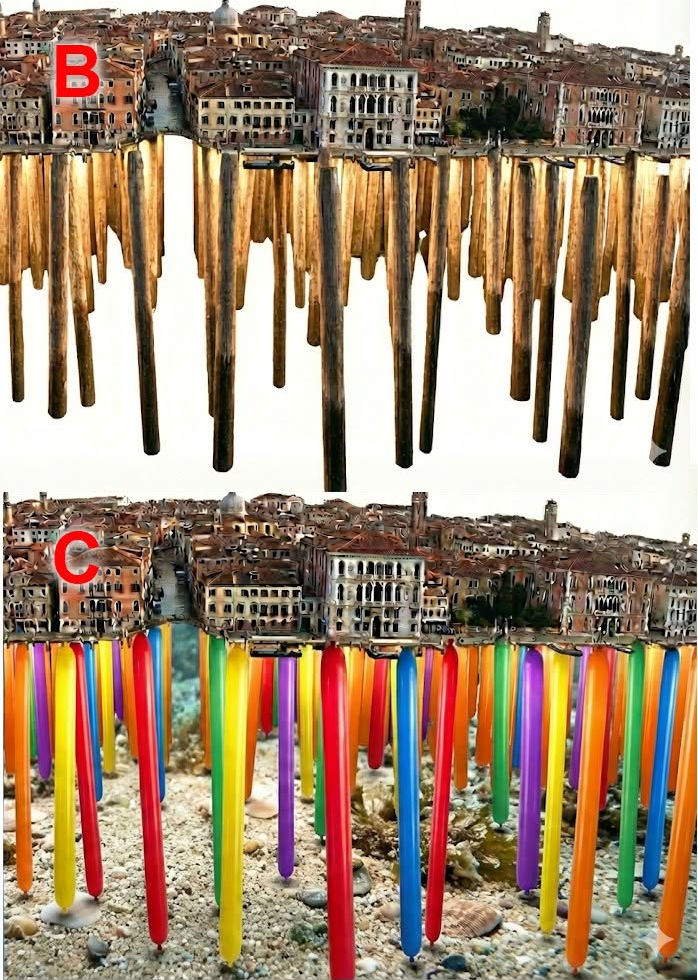
Compression vs. Tension
Just as the historical city of Venice relies on thousands of subterranean wooden pilings to support its immense weight above the salt marsh, a pinned superconductor relies on a dense matrix of vertical conduits. Replacing those rigid wooden pilings with high-pressure balloons (Image C) models how flux tubes act as structural pillars.
Crucially, a GdBCO superconducting disk can also be turned completely upside down, remaining suspended *below* a magnetic track without falling. In a right-side-up orientation, the flux tubes exhibit extreme compressive strength; upside down, they exhibit extreme tensile strength, refusing to let gravity break the connection.
Under these specific conditions, a flux tube proves to be far more than a flexible energy flow conduit—it can behave like a physical cable, capable of handling both lengthwise tension (pull) and compression (push). Additionally, along its entire outside length, certain situations can let flux tubes exert a rigid lateral magnetic pressure that pushes outward and can be engineered into a considerable magnetic wall of pressure.
While conventional astrophysics views flux tubes solely as open channels for moving energy, their structural capacity to exert physical mechanical forces unlocks an entirely new perspective on orbital mechanics. When evaluating extreme exoplanet discoveries, mainstream mathematics is frequently forced to assign impossibly high, ridiculous density values to close-in worlds simply to make their screaming orbital velocities fit standard gravitational formulas.
If these celestial bodies are instead interacting via real push-and-pull flux tube connections, the requirement for artificial, extreme planetary densities completely vanishes. As we will see in the next section, a flux tube tethering and tension ability is something that ancient pictograms were attempting to communicate.
This brings us back to the core mission stated at the top of this site: To seek inspiration from ancient symbolism, recover lost knowledge, and advance what is currently considered state-of-the-art physics
Pulling on Flux Tubes
A Paradigm Shift
When an old, deeply entrenched interpretation faces new evidence, the default human response is disbelief.
As you look through the extensive visual record below, gathered from around the world of symbolism, challenge yourself to look past the centuries of traditional storytelling you've been taught. Ask yourself: is the mechanical function of flux tubes and tension a foundational truth that has been obscured, reserved only for an initiated elite?
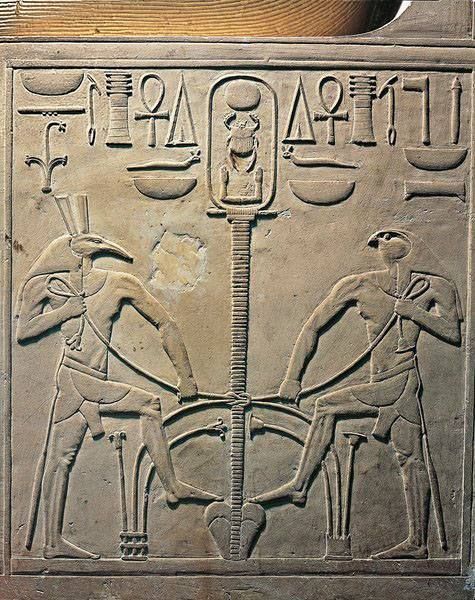

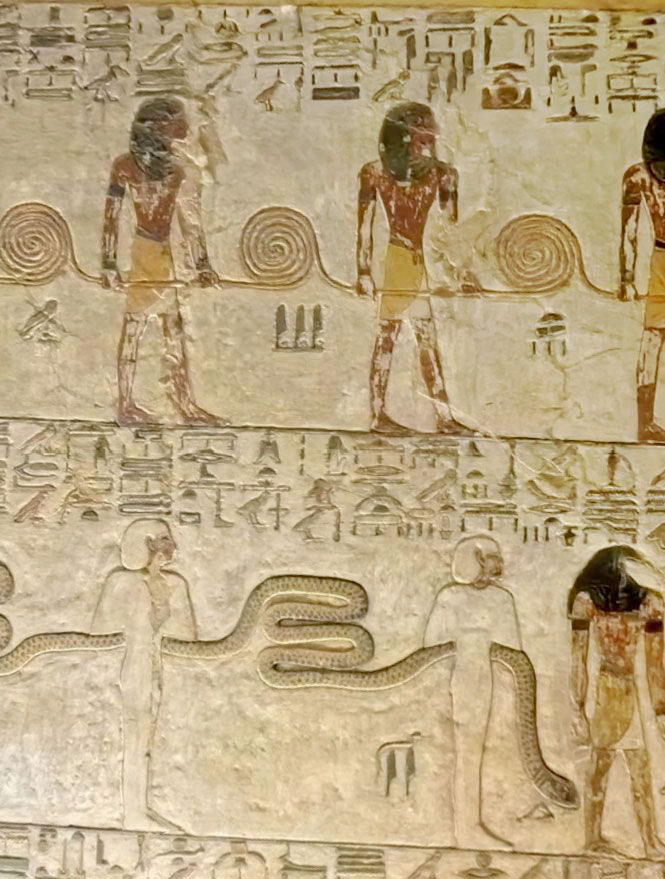
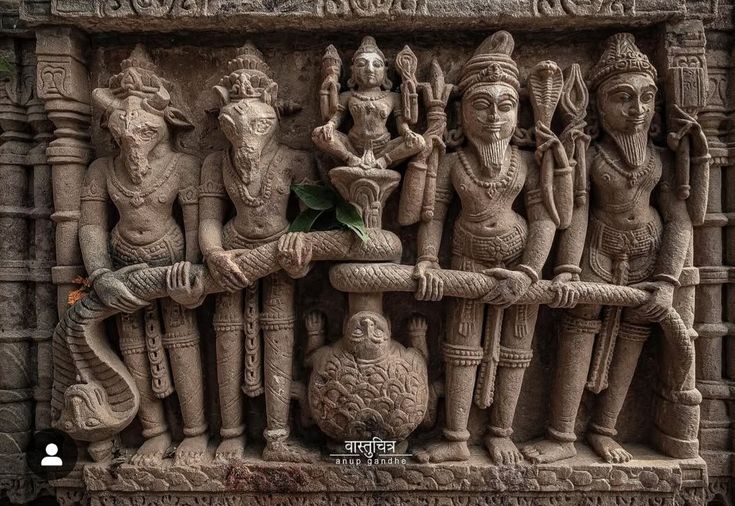
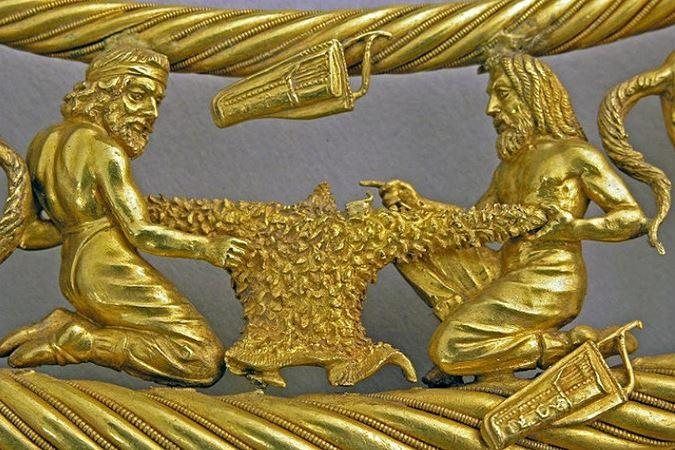
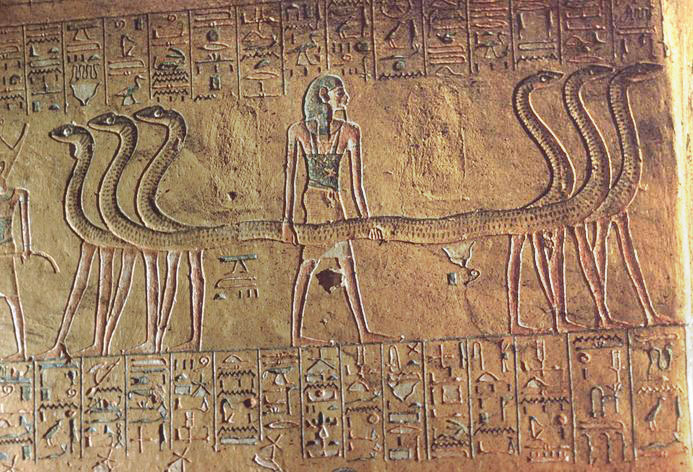
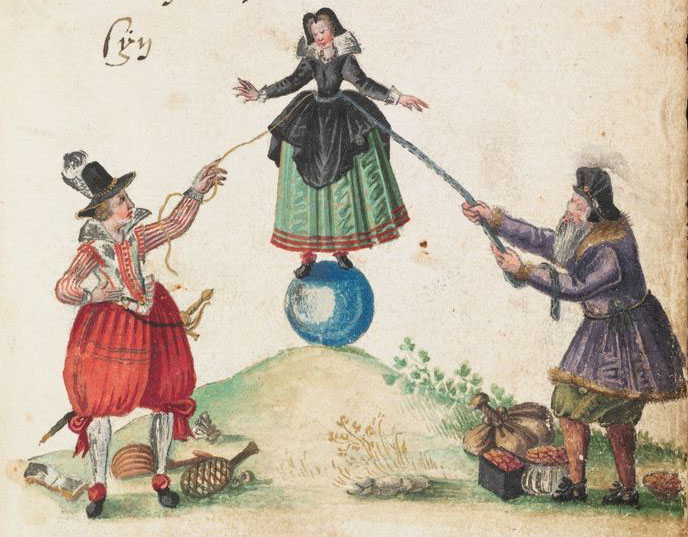
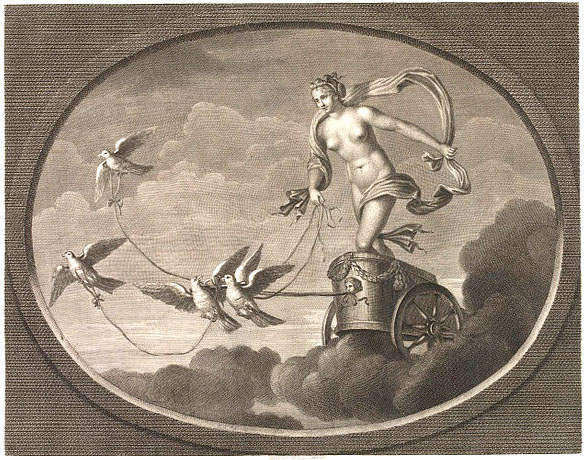
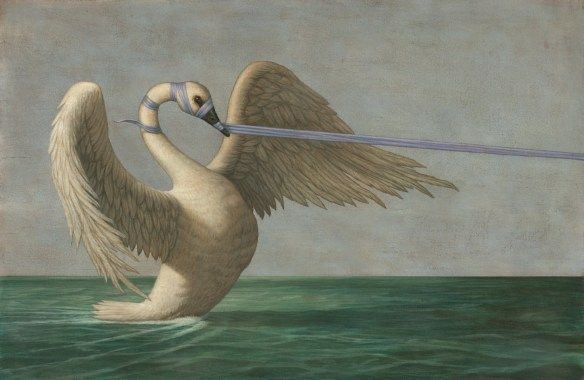
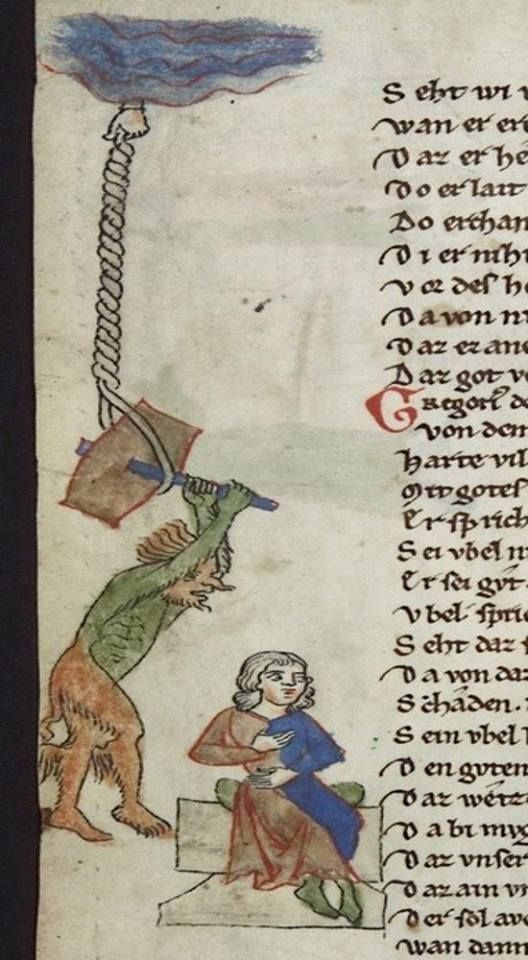
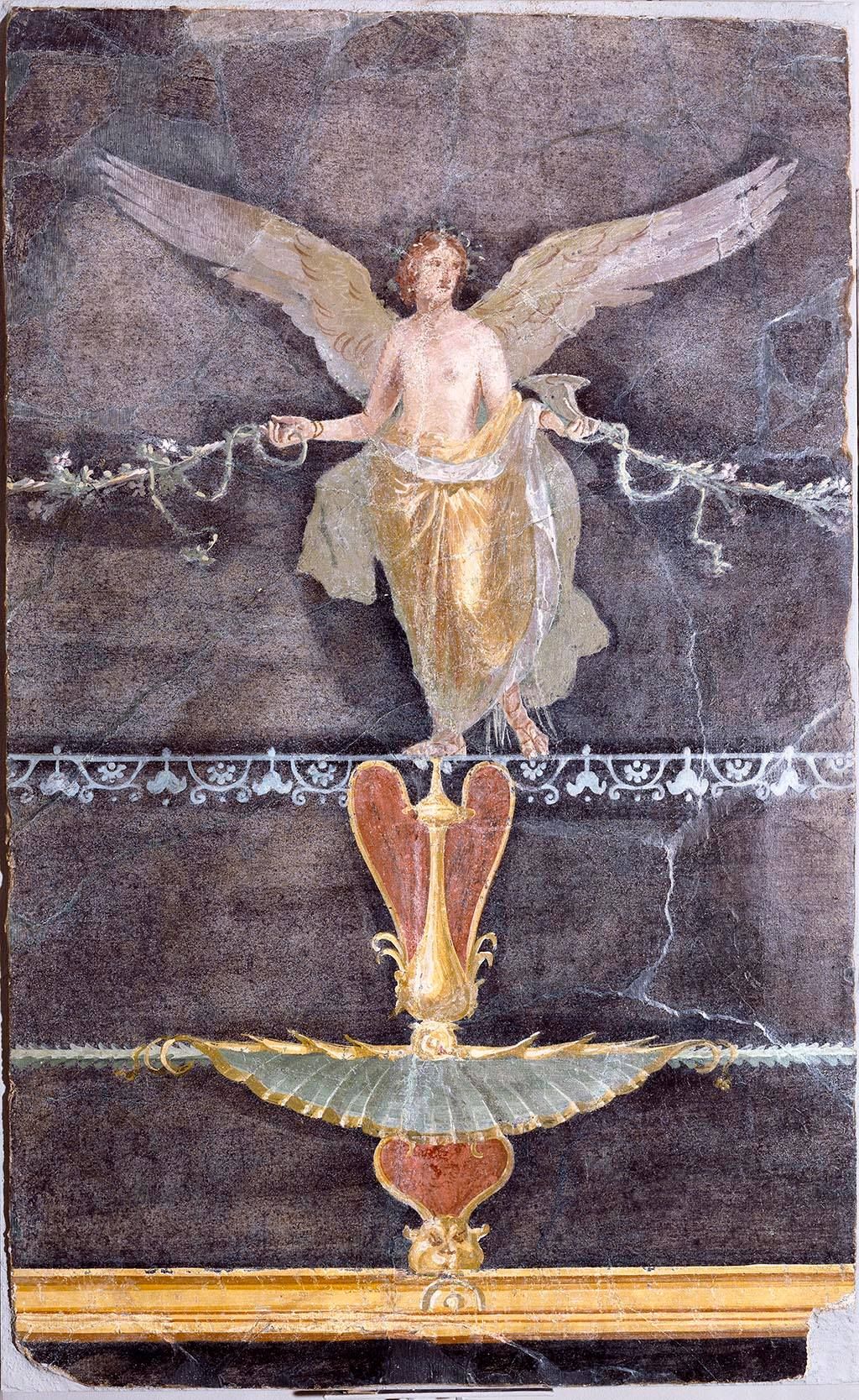

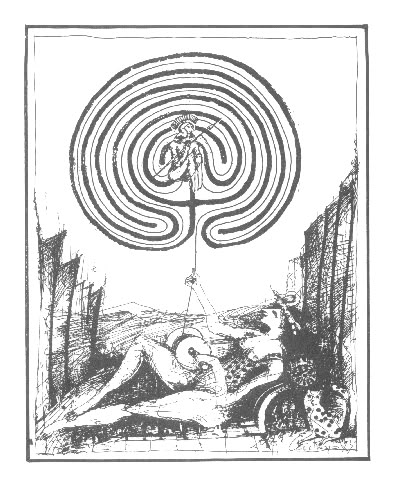


Every artifact shown here has an officially accepted narrative in academic literature—be it the Egyptian Sema Tawy symbolizing geopolitical unification, the Hindu Samudra Manthana (Churning of the Ocean of Milk), or various deities on celestial chariots.
Yet, stripped of localized mythology, the structural commonality is undeniable: these artifacts consistently depict physical tension applied to symbolic conduits like ropes, chains, sleeves, and serpents. While a horizontal alignment dominates the historical record, vertical pulling dynamics are also present.
Even historical "crane" and "well" symbols, which at first glance seem completely literal, carry a deeper meaning, especially when other symbols are nearby with no literal use. The traditional, purely literal reasons given for creating these images are simply too banal to justify the immense artistic effort, scale, and sacred placement of the art work.
Crucially, many of these depictions feature a specific "reeling-in" mechanic as the source of tension. Could this repetitive motif be a consequence of rotation occurring within the horizontal plane of a torus?